Last Updated on October 27, 2026
To pass a hair test for opiates, you first need to know what the lab is measuring. Opiates that entered your bloodstream end up in the hair shaft, and a standard 1.5-inch sample covers roughly the last 90 days. Whether you can change the outcome depends on how recently you used, how often, and whether your hair is cleansed correctly and completely before collection. This guide explains what the test looks for, what can complicate a result, where hair cleansing helps and where its limits are, and what to do if a result looks wrong.
TL;DR
- A typical hair test reflects about 90 days of use, based on an average growth of roughly half an inch per month.
- Opiate panels can include codeine, morphine and 6-monoacetylmorphine (a heroin marker), and expanded panels add semi-synthetic opiates and synthetic opioids such as fentanyl and methadone.
- Lab washing is not standardized, and no shampoo claim should be taken on faith. Look for a method with a defined number of washes tied to your own use history.
- Tell the collector about legitimate prescriptions, and if a screen comes back positive, ask for confirmation by mass spectrometry.
- If your test is close, a personal consultation is faster than guessing.
Table of Contents
- What an opiate hair test actually looks for
- How far back opiates can show up
- What can complicate an opiate hair result
- Can hair cleansing remove opiates?
- A practical plan before your test
- Our perspective: why we treat opiates carefully
- Getting started with Macujo
- If the result looks wrong
- FAQ
- Sources
What an opiate hair test actually looks for
Hair testing is a two-stage process. According to the FDA review of Omega Laboratories’ hair assay, the lab chemically pretreats the hair to turn it into a liquid extract, then runs an ELISA screen that detects opiates, oxycodone and hydrocodone. Presumptive positives should then be confirmed by a more specific method such as GC/MS.
That second step matters. The 2021 Society of Hair Testing consensus says presumptive positive screens must be confirmed by mass spectrometry using internationally accepted identification criteria. A screen alone is not supposed to be the final word.
Which opiates are on the panel
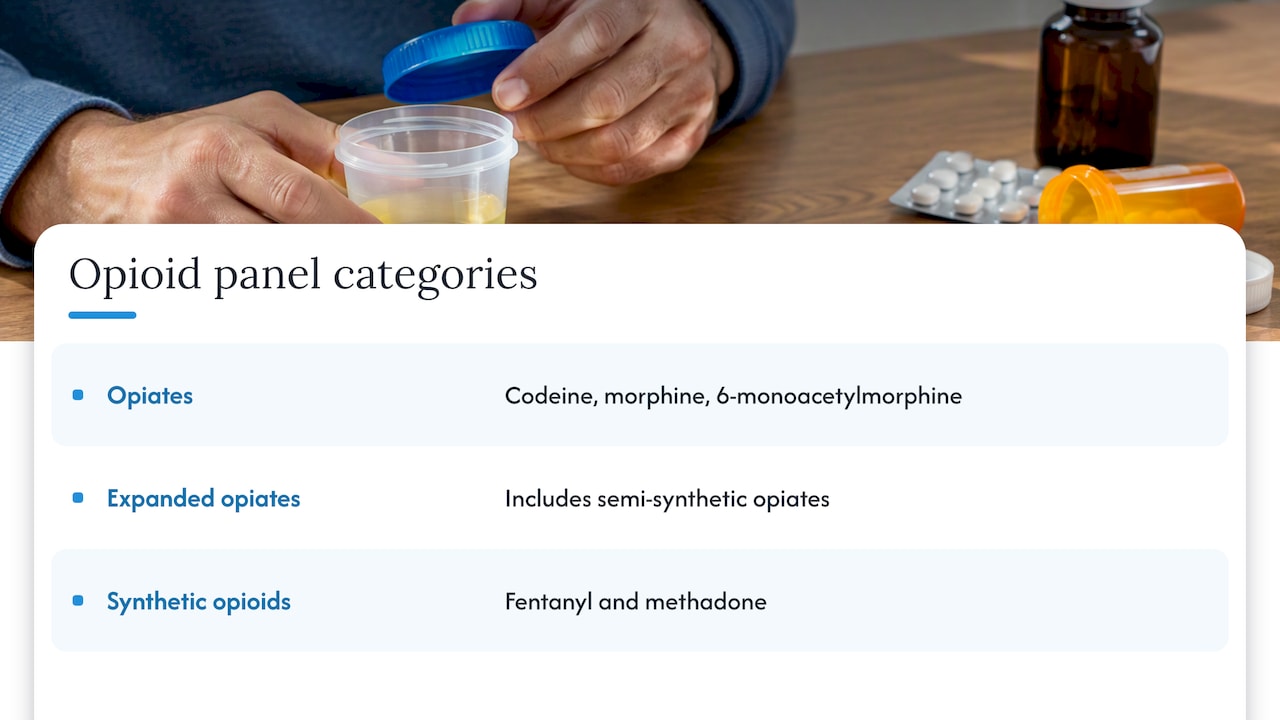
The panel depends on the employer or program ordering the test. Quest Diagnostics says its hair testing can detect opiates (codeine, morphine and 6-monoacetylmorphine), expanded opiates including semi-synthetic opiates, and synthetic opioids such as fentanyl and methadone. If you are unsure which panel applies to you, ask the employer or the collection site before you do anything else. Knowing whether your panel is standard or expanded changes what you need to prepare for.
If fentanyl is on your panel, we cover it in a separate guide: what a fentanyl hair test detects and how far back.
How the sample is collected
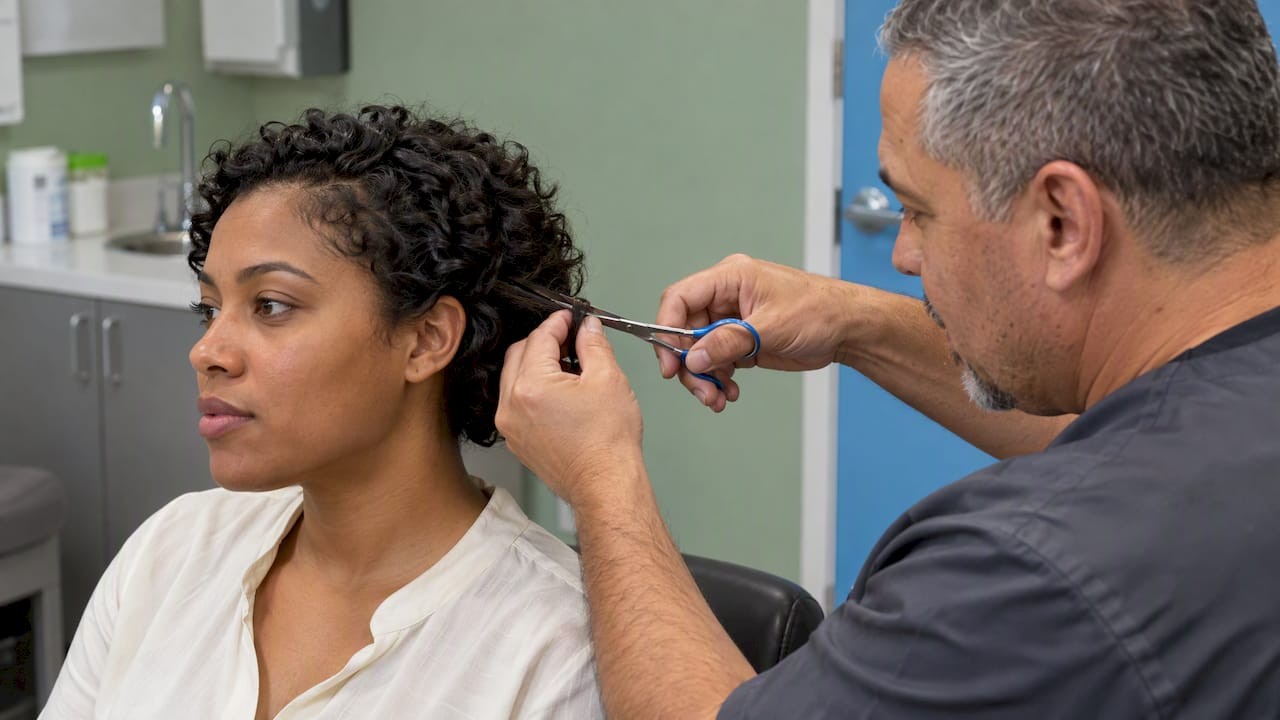
The collector cuts a small lock of hair as close to the scalp as possible, preferably from the back of the head below the crown. Quest describes the usual amount as about one centimeter wide. The 2022 Society of Hair Testing consensus adds that the collector should preserve strand alignment, identify the root end, and document the site, color, length and any chemical or physical treatments.
This is why “I’ll just shave it” is not a plan. Collection sites that can’t get head hair often use body hair, which can reflect a longer period of time.
How far back opiates can show up
The 90-day figure is an approximation, not a guarantee. Labcorp explains that a 1.5-inch head-hair sample typically represents up to 90 days, based on average growth of one-half inch per month. It also notes that detection depends on the dose, test sensitivity, route, duration of use, the molecule or metabolite measured, and metabolic and renal clearance.
Growth varies from person to person. A 2025 review in the Journal of Applied Laboratory Medicine notes that segmentation commonly assumes about 1 cm per month, yet published growth rates range from 0.6 to 3.36 cm per month.
The lag at the start
The same review reports that drugs may reach the hair bulb within as little as 30 minutes, but they are not detectable in hair above the scalp for at least a couple of days and sometimes up to 10 days after ingestion. In practice this means use in the last week or so is often not yet in the portion of hair that gets cut. It does not mean you are safe: the hair that grows in over the following weeks carries the record forward.
A simple way to think about your timeline
| Your situation | What it means for the test |
|---|---|
| Last use more than 90 days ago | The standard 1.5-inch segment may no longer include it, but slow growth or longer hair can extend the window |
| Last use within the past 90 days | Drug is likely incorporated in the hair that will be cut |
| Last use in the past week or so | May not yet be visible in the hair at the cut point, but later growth will show it |
| Occasional use vs. daily use | Frequency affects how much is incorporated, though concentration is a poor measure of dose |
For a deeper look at when 90 days is not enough, read our guide on hair drug test timelines, or see how long different drugs stay in your hair.
What can complicate an opiate hair result
Hair results are less clean than people assume. The 2025 review lists a long set of complicating factors: external exposure, sweat or sebum transfer, melanin-related differences, cosmetic treatment, variable growth, resting hairs, inaccurate root orientation, collection too far from the scalp, inadequate washing, nonstandard decontamination, and the lack of a reliable relationship between hair concentration and dose.
Environmental contamination
The National Institute of Justice states that drugs can reach hair through blood, sweat or external contact, which makes it hard to separate drug use from environmental contamination. A positive for a parent drug without the expected metabolites may call for closer contamination analysis. This is one reason a good lab looks at metabolites such as 6-monoacetylmorphine rather than relying on a single number.
Prescriptions and poppy seeds
MedlinePlus advises telling the testing professional about every prescription and over-the-counter medicine you take, and notes that poppy seeds can appear as opioids. If you have a legitimate prescription for codeine, hydrocodone, oxycodone or methadone, say so at collection and bring the paperwork. Many programs route results through a medical review process in which a physician can weigh a valid prescription against a positive result. Ask your employer or the collection site how that process works for your test.
Dyed, bleached or treated hair
Cosmetic processing can change measured drug concentrations, according to the 2025 review, and treatments should be documented because they complicate interpretation. Dyeing your hair is not a reliable way to get a negative. It can affect the measurement unpredictably, and the collector is supposed to note the treatment on the paperwork anyway.
Concentration is not dose
The review also points out that hair-drug concentration does not strongly correlate with the amount ingested or how often someone used. Higher numbers do not prove heavy use, and lower numbers do not prove light use. That works in your favor if a result is disputed, but it also means you cannot judge your own risk from how little you used.
Can hair cleansing remove opiates?
Honesty matters here, because hair-cleansing is full of overpromising. The NIJ explains that laboratory washing is meant to remove external contaminants, but decontamination procedures are not standardized, and washing can potentially move surface drug into the hair shaft. The Society of Hair Testing adds that every wash protocol needs laboratory validation for efficacy. In other words, a casual rinse with household shampoo is not a proven approach, and a poorly executed process can leave you worse off than doing nothing.
That is the context in which we work. Macujo has helped people prepare for hair follicle tests since approximately 1999. Our current standard, Mike’s Macujo Method, was introduced in 2018 and is a systematic nine-step process developed for high THC levels and other drugs and alcohol. It must be completed with authentic Macujo Aloe Rid® Shampoo, and the number of washes is not a guess: Mike’s Macujo Required Washes Calculator sets it using the substance involved, the date of last use and how often you used during the previous 90 days.
When every required wash and direction is completed correctly, the method has a reported success rate of better than 99%, and the hair stays clean unless drugs or alcohol are used again. We say “when completed correctly” on purpose. Skipped washes, substitute shampoo, or shortcuts are where it goes wrong. The method should also not be confused with the old Macujo Method, which was designed mainly for low-to-moderate THC exposure and provides only temporary masking.
For the full walkthrough of the process, see our science-backed guide to passing a hair follicle drug test and the general guide on passing a hair drug test every time. Substance-specific pages live in our substance-specific hair detox archive, including one for crack-cocaine hair tests.
A practical plan before your test
Here is the order we suggest to anyone with an opiate hair test on the calendar.
- Confirm the panel. Ask whether it is a standard opiate panel or an expanded one that includes semi-synthetic opiates or synthetic opioids. Write down the answer.
- Count back from your last use. Note the date of last use and how often you used in the previous 90 days. These are exactly the inputs the required-washes calculator asks for.
- Stop all use. New use after cleansing puts drug back into new hair growth and undoes the work. No cleansing method protects hair from future exposure.
- Gather prescription paperwork. If any medication you take could appear as an opiate, have the prescription label or a doctor’s note ready for the collector and the medical reviewer.
- Do not alter your hair at random. Skip home bleaching, dyeing or razor shortcuts based on forum advice. They are documented at collection and don’t reliably change a result.
- Complete your cleansing exactly as directed. If you use a method, do all required washes, in order, with the specified product. Do not stop early because the hair looks or feels clean.
- Keep the timing in mind. If the test is short notice, get personal guidance rather than improvising.
Our perspective: why we treat opiates carefully
We have talked to people about hair tests for a long time, and the same pattern repeats. The ones who struggle are rarely those who didn’t try. They are the ones who tried something half-way, ran out of time, or used a product that had nothing to do with the substance on their panel.
We built Mike’s Macujo Method around one idea: the number of washes should come from your own history, not from a generic promise. That is why the calculator asks about the substance, the date of last use and how often you used. Heavy or recent use needs more work than light or distant use, and pretending otherwise is how people fail.
We also tell people the unglamorous parts. Hair testing has real variability, labs wash samples differently, and a cleansing method can only do what it was designed and directed to do. If your situation is complicated, such as recent heavy use, a long panel or a test only days away, we would rather talk it through with you than sell you something that doesn’t fit.
— MIchael
Getting started with Macujo
If you have an opiate hair test coming up, the two things most people need are the right shampoo and a plan tailored to their history. Macujo Aloe Rid Old Formula Shampoo is listed at $100 to $150 depending on the product, and the nine-step method must be completed with authentic Macujo Aloe Rid® Shampoo.
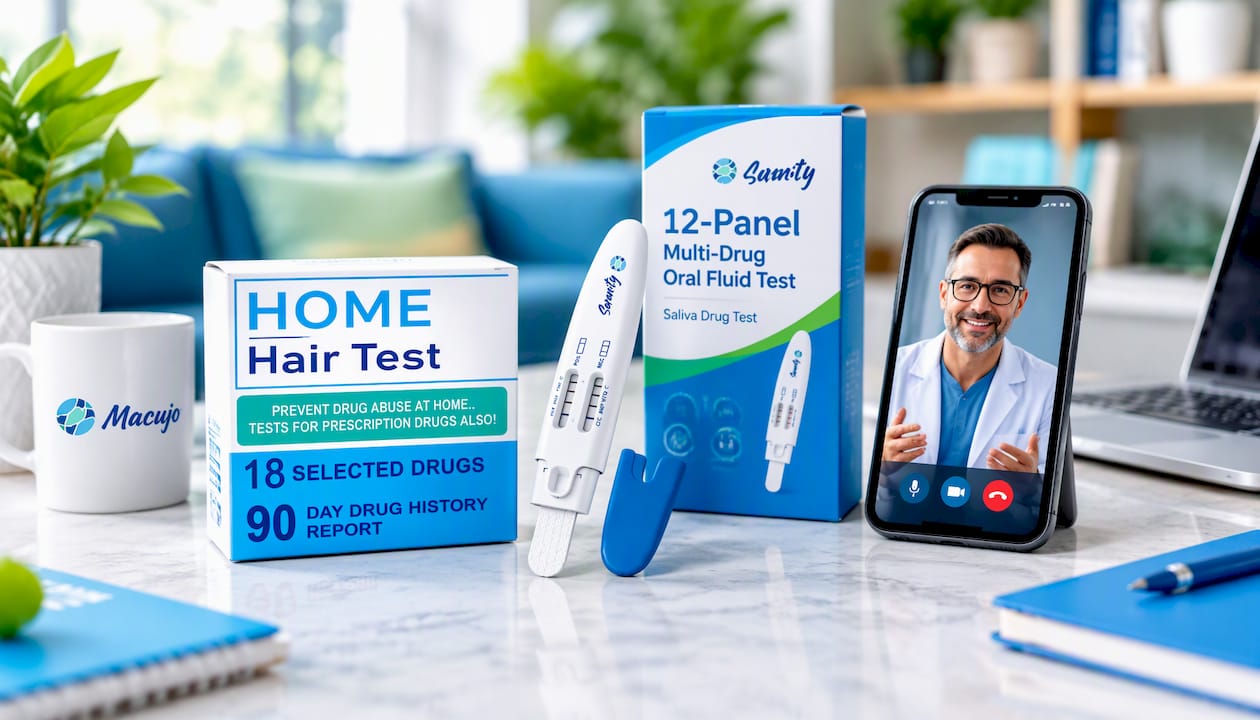
If you want a person to look at your situation, the Afterhours Personal Consultation is $100 and gives you a phone call with an expert, including after regular hours. We also offer unlimited support to customers. If you aren’t sure what is in your hair right now, a home hair test kit can help you see where you stand before the official collection.
If the result looks wrong
Hair results can be wrong or at least open to challenge, and you have options.
- Ask for confirmation. A presumptive positive from an ELISA screen should be confirmed by mass spectrometry. Ask the lab or the medical reviewer whether this was done.
- Provide context. The Society of Hair Testing consensus says that in a disputed case, other analytical testing, declarations and statements should be weighed along with the result. Prescription records, a documented medical procedure or evidence of a legitimate exposure all count.
- Check the collection record. Was the sample cut near the scalp, was the root end identified, and were treatments such as dye recorded? Problems with collection or storage (the consensus recommends dry, dark, room-temperature storage) are fair questions to raise.
- Plan a retest. If you need a fresh negative, the 90-day window and your new hair growth matter. Our guide on what to do after a failed hair test explains how to verify and retest.
For a broader explanation of the process, see all about hair drug testing.
FAQ
How far back does an opiate hair test go?
A standard 1.5-inch head-hair sample typically represents up to 90 days, assuming average growth of half an inch per month. Growth rates vary widely between people, so the real window can be shorter or longer. Very recent use may not show up yet because drugs take a few days to appear in hair above the scalp.
Can a poppy seed bagel or a prescription cause a positive?
MedlinePlus notes that poppy seeds can appear as opioids, and prescription medicines can too. A confirmed result tied to a legitimate prescription is usually handled through a medical review. Tell the collector about every medicine you take and keep the paperwork.
Does dyeing my hair help me pass?
Cosmetic treatment can affect measured concentrations, but not in a predictable or reliable way, and collectors are supposed to record treatments. We don’t recommend relying on it. A defined, directed cleansing method is a more systematic approach than dye.
Is a hair test less sensitive for opiates than for other drugs?
Some research suggests hair testing may be less effective than urine testing at catching past-month opioid use, and results depend on the panel and the lab. That does not make a clean result automatic. Use in the past 90 days can still be detected, so prepare as if it will be.
Sources
- Omega Laboratories hair drug screening assay, FDA review
- Quest Diagnostics hair drug screening facts
- 2021 Society of Hair Testing consensus on drugs of abuse testing in hair
- 2022 Society of Hair Testing general consensus on hair testing
- Labcorp hair drugs of abuse testing FAQ
- Review on toxicology testing in hair, Journal of Applied Laboratory Medicine
- National Institute of Justice: detecting drugs in hair
- MedlinePlus: opioid testing