Last Updated on October 16, 2026
Household remedies do not reliably get you through a hair follicle test. Harsh treatments like bleach cycles can lower some drug concentrations in peer-reviewed forensic studies, but results are inconsistent and can raise tampering flags. If you need dependable, test-specific preparation, we built Macujo around exactly that.
TL;DR:
- A 2023 study found reductions of roughly 80–90% for some analytes, but effects varied by drug and did not reliably clear every analyte.
- Aggressive chemical cycles can damage hair unevenly, and labs may flag tampering, leading to an invalid result, medical review, or another specimen collection.
- Stop use, record your last exposure and recent pattern, and take a home hair test before making changes; a positive result still needs laboratory confirmation.
- The current Macujo method requires authentic Macujo Aloe Rid® Shampoo and a wash count based on exposure history, with no guaranteed results.
Table of Contents
- Which home remedies do people try for a hair drug test?
- What does forensic science say about hair tests and treatments?
- Why can aggressive chemicals and tampering attempts backfire?
- What safe, realistic steps help if you have time before the test?
- What I have learned from years of hair test prep
- How can we help you prepare for your hair test?
- FAQ
- Sources
Which home remedies do people try for a hair drug test?
Most advice online falls into two camps: avoidance tricks and chemical treatments. Knowing what each one claims helps you judge it.
Avoidance tactics try to dodge the sample itself:
- Shaving your head: the logic is no hair, no test. In practice, collectors can take body hair instead, and an employer may treat a refusal to provide head hair as a failed test.
- Wearing a wig or hairpiece: a collector inspects the scalp and can ask you to remove it, so this rarely survives the collection.
- Sample swapping: substituting someone else’s hair is tampering, and collection staff watch for exactly this.
Chemical approaches try to change the hair itself:
- Bleaching and dyeing: the claim is that oxidizers damage the cuticle so drug compounds leach out.
- Baking soda and salicylic acid: sold as a way to open the hair shaft and strip residue.
- White vinegar: said to “reset” the hair’s pH and loosen deposits.
- Laundry detergent: a harsh surfactant meant to wash away surface contamination.
- Store-bought detox shampoos: marketed as one-wash fixes for any drug and any exposure level.
The claimed mechanisms come down to three ideas: damage the outer layer so compounds escape, clean the surface, or dilute what is inside. Some routines are one-off washes, while others are repeated cycles over several days, which stresses the hair far more. The next sections cover what the research says about those ideas. For a plain-language rundown of the same myths, see our guide on what works versus what is a myth.
What does forensic science say about hair tests and treatments?
Drugs and their metabolites enter hair from the bloodstream as it grows, then stay locked in the shaft as it grows out from the scalp. Labs typically run an immunoassay screen such as ELISA, then confirm any presumptive positive with mass spectrometry (GC-MS or LC-MS/MS). We explain the full process in our article on how hair drug testing works.
Researchers have tested the popular internet “cleansing” routines directly. A 2023 analytical study compared three protocols: a baking soda, salicylic acid and bleach cycle; repeated bleaching and dyeing; and white vinegar with moisturizers, detergent and dyeing.
The baking soda, acid and bleach cycle produced decreases of roughly 80–90% for some specific analytes, yet the study found effects varied by drug and did not reliably clear every analyte. Source
That headline number deserves context. A large drop in one compound does not mean a negative result, because labs compare what remains against a cutoff and the starting level matters. Here is how the three treatments compared:
- Baking soda, acid and bleach cycle: the largest decreases for several drugs.
- Repeated bleaching and dyeing: effective for some substances, especially THC, but uneven elsewhere.
- Vinegar, detergent and dyeing: the least effective of the three.
Two more points keep expectations realistic. Sensitive MS/MS methods can still detect drugs in hair that looks heavily treated. And federal guidance recognizes that many factors influence drug incorporation, including dose, length of exposure, cosmetic treatments and hair color. Labs can also adjust by testing a shorter section of hair, which changes what portion of your history they see. If you want the bleaching question in depth, read our piece on whether bleaching can pass a hair drug test and our look at dyed hair and test results.
Why can aggressive chemicals and tampering attempts backfire?
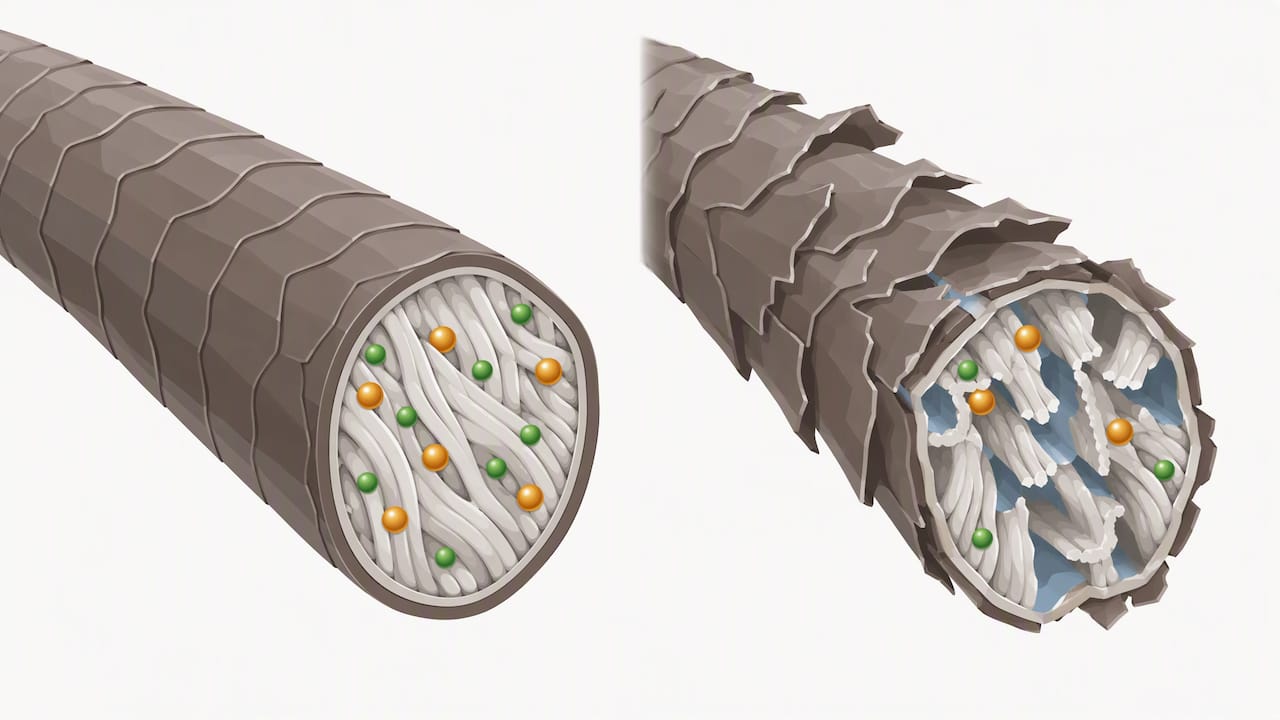
Damage is the problem. Forensic experts examining colored hair in drug testing warn that using aggressive household chemicals to wreck the hair structure is counterproductive. The treatment degrades the keratin matrix unevenly, and labs can recognize that pattern as altered or tampered hair. Cosmetic treatments also do not strip metabolites for every substance, so you can end up with damaged hair and a detectable result at the same time.
When a lab flags a sample, the usual path looks like this: an inconclusive or invalid result, a review by the medical review officer (MRO), and often a request for an alternate specimen. Federal rules for agencies that use hair require alternate specimen procedures in certain cases, and private employers often follow a similar logic. For you, that can mean a second collection, often urine or oral fluid, on short notice, plus an awkward conversation with your employer.
Things to avoid:
- Do not apply stacked bleach, peroxide or detergent cycles right before collection.
- Do not shave your head and assume that ends the matter.
- Do not wear or swap in anything that looks like concealment.
- Do not rely on a single product’s “one wash guarantee.”
Pro Tip: If you are worried about a result, check your hair with a home test before doing anything drastic, and talk to someone who knows hair testing. Gentle, planned steps beat damage you cannot undo.
What safe, realistic steps help if you have time before the test?
Start with the basics, then move to methods built for the job. If time is short, our urgent hair test prep resources cover what to prioritize.
- Stop all use now. Every day without exposure matters, and hair that grows in clean stays clean.
- Write down your last-use date and your pattern of use. Your pattern of use can shape what a lab can find.
- Estimate your detection window. Hair tests can reflect past exposure, so recent history is relevant.
- Check where you stand. A Home Hair Test kit shows your status before the real collection. This is different from FDA-described urine screens: the FDA explains that home-use drug tests give a preliminary qualitative result and that a positive should go to a laboratory for confirmation, so treat any home result as a screen, not a verdict.
- Pick a plan built for hair testing instead of improvising with kitchen products.
Sensible hygiene helps without hurting the hair:
- Wash gently and regularly with a mild shampoo.
- Skip new dyes, bleaches and relaxers.
- Think carefully before trimming, and never go fully bald without understanding the employer’s policy, since body hair can be collected instead.
A DIY wash may cause some reduction, but it is not guaranteed and can leave you worse off than before. That is why we developed a structured approach. Mike’s Macujo Method is a structured process built for high THC levels and other drugs and alcohol. It requires authentic Macujo Aloe Rid® Shampoo, and the number of washes comes from our Required Washes Calculator, which uses the substance, your date of last use and how often you used recently. When every required wash and direction is completed correctly, we aim to help prepare hair for testing, but results are not guaranteed and depend on individual circumstances. Our older method is intended for low-to-moderate THC exposure and masks only temporarily, so we point most people to the current method.
Pro Tip: Buy authentic Macujo Aloe Rid® Shampoo directly from us. The method requires authentic Macujo Aloe Rid® Shampoo.
Short on time? Three practical moves: take a home test to know your starting point, book an Afterhours Personal Consultation, or order the Macujo Aloe Rid + Zydot Ultra Clean if you are following the method. Our full walkthrough is in our science-backed guide.
What I have learned from years of hair test prep
We have helped people prepare for hair tests, and the pattern repeats: trouble can start with forum advice. People stack bleach, vinegar and detergent, wreck their hair, and still do not know whether it worked. Meanwhile the ones who stopped use, checked their status and followed a method matched to their own history tended to feel calm on test day. My view is that the worst advice online is the advice that promises certainty from a single trick. Hair testing depends on your exposure, your hair and your lab, so preparation should depend on them too. If you are unsure which situation you are in, talk to a person before you touch your hair.
— MIchael
How can we help you prepare for your hair test?
We built our products around the steps that matter most before a hair follicle test. Here is what is available:
- Home Hair Test kit: a way to see where you stand before the real collection, so you are not guessing about your risk.
- Afterhours Personal Consultation: a personal phone consultation, listed at 100 USD, where we walk through your history and use the Required Washes Calculator to set your wash count.
- Macujo Aloe Rid + Zydot Ultra Clean: the kit we pair with Mike’s Macujo Method.
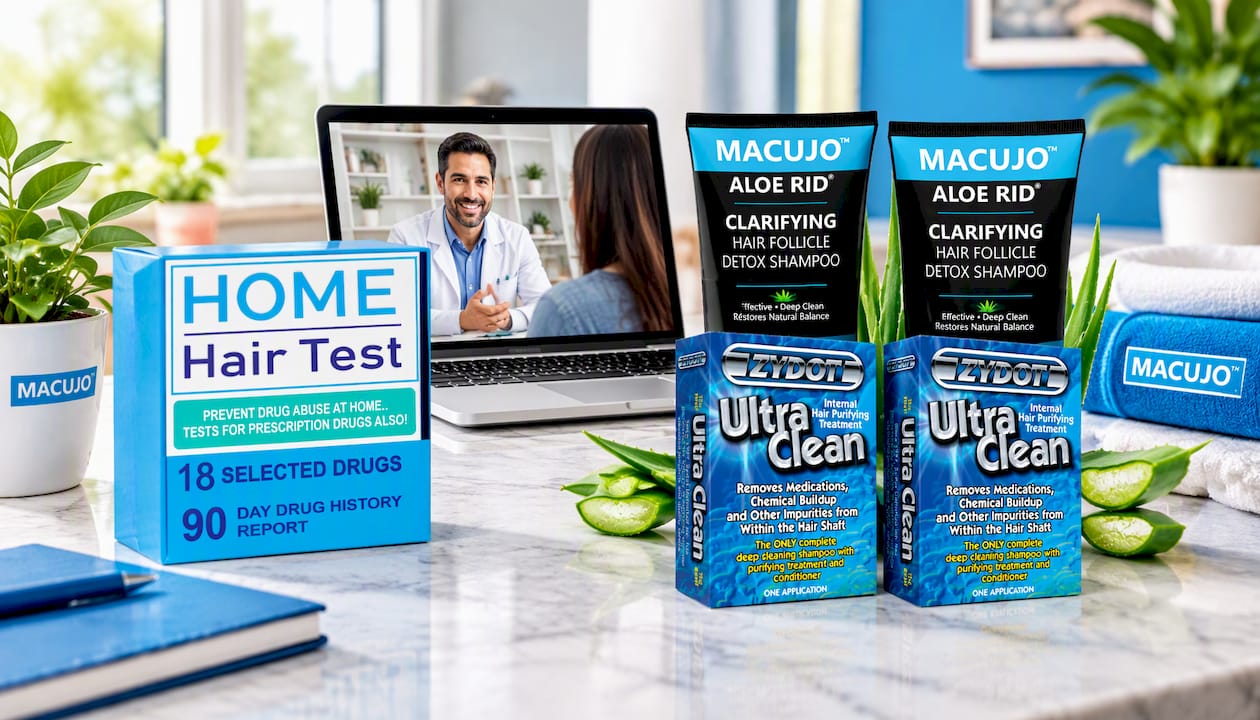
Current prices are on our product pages. Start with the test kit or book a consultation today, and we will map out your next steps together.
FAQ
How long do I need to be clean to pass a hair follicle test?
Hair tests typically look back about 90 days, so abstaining as early as possible is your best starting point. Hair that grows in after you stop is clean, but older hair still carries your history. Our Required Washes Calculator uses your last-use date and recent frequency to plan what remains.
How can you check if hair follicles are alive?
You cannot reliably tell from home, and it does not matter much for testing. Drugs are found in the hair shaft, not the living follicle, which is why hair that is cut, shed or plucked is still testable.
Do employers use hair drug tests?
Some do, especially for safety-sensitive roles. Federal programs list authorized analytes and procedures for specimen types, and private employers set their own policies.
Can you test hair for drug use at home?
Yes, a home hair test kit can give you an early read of your status. The FDA notes that home-use tests are preliminary and positives need laboratory confirmation, so treat the result as a screen.