Last Updated on October 12, 2026
A rehab hair drug test can detect drug use going back roughly 90 days, and labs confirm any positive screen with a second, more precise method before reporting a result. Scalp hair needs about 7 to 10 days to reflect recent use, so same-week use often won’t show. Evidence on shampoos and washing routines is mixed, but established, test-specific preparation methods exist for people who need to act now.
TL;DR:
- Ask the rehab program which substances and cutoff levels its panel covers; many routine panels omit fentanyl, although some labs include it.
- Body hair may reflect a window approaching a year, but its irregular growth makes estimates less precise; labs use it when scalp hair is unavailable.
- Labs wash samples and check metabolite ratios for contamination, then confirm positive screens with GC/MS or LC/MS/MS; disclose prescribed medications before collection.
- Some controlled THC studies found product use and repeated washing reduced hair concentrations by about 50% or more, but results varied by hair and cutoff.
- Exposure to secondhand smoke or sweat near drugs can contaminate hair without ingestion, while cosmetic treatments can lower measured drug levels and complicate interpretation.
Table of Contents
- Which drugs and panels does a rehab hair drug test check?
- How far back can a hair test detect use, and why the timeline matters
- How samples get collected and tested in the lab
- What affects accuracy: hair color, treatments, and contamination
- What the research actually shows about detox shampoos and washing
- Mike’s Macujo Method and other preparation options we offer
- The nine-step process behind Mike’s Macujo Method
- How to use Macujo Aloe Rid Shampoo in your cleansing routine
- Old Macujo Method vs. Mike’s Macujo Method: what changed and why it matters
- How to spot authentic Macujo products and avoid counterfeits
- When to reach out for personalized consultation support
- What to do right now if your test is coming up
- Hair test preparation options from our team at Macujo
- FAQ
- Sources
Which drugs and panels does a rehab hair drug test check?
Rehab programs typically order a standard panel covering the drug classes most associated with substance use disorder, though exact panels vary by facility and lab.
- Cannabinoids: THC and its metabolite THC-COOH
- Amphetamines: including methamphetamine and MDMA
- Cocaine: detected through its metabolite benzoylecgonine
- Opioids: codeine, morphine, oxycodone, and hydrocodone
- PCP and benzodiazepines: often included on broader panels
Metabolites matter because they help confirm the body actually processed a drug rather than the hair simply being exposed to it externally. Some labs now add fentanyl or fentanyl-related compounds to their panels, but many routine testing panels still omit fentanyl even as its presence in hair testing research grows. If you’re scheduled for a rehab hair drug test, ask the administrator exactly which substances and cutoffs the panel covers. A 12-panel hair test differs from a basic 5 or 10-panel screen, and knowing which one you’re facing changes how you should prepare.
How far back can a hair test detect use, and why the timeline matters
Hair grows at a fairly predictable rate, and labs use that math to estimate a detection window.
- A 1.5-inch segment of scalp hair roughly corresponds to about 90 days of growth.
- Scalp hair grows close to 1 to 1.5 centimeters per month, which is the basis for segmenting hair into monthly windows.
- Recent use takes about 7 to 10 days to show up near the scalp, since hair has to grow out of the follicle before it’s collected.
- That lag means a hair test cannot detect use from the past few days, only use from roughly a week and a half ago onward.
Body hair tells a different story. It grows more slowly and irregularly than scalp hair, so a body hair drug test reflects a longer but far less precise window, sometimes stretching close to a year. Labs typically turn to body hair only when scalp hair isn’t available, such as with very short haircuts or shaved heads.
How samples get collected and tested in the lab
Collection and analysis follow a defined sequence designed to protect accuracy and chain of custody.
- Collection site: Technicians prefer the posterior vertex, the crown area at the back of the head, because growth rate is most consistent there.
- Sample size: Labs generally request a hair bundle about the thickness of a pencil, or a counted number of strands when hair is curly or tightly coiled.
- Chain of custody: The sample is packaged, sealed, and labeled immediately after cutting, with documentation tracking it from collection through to the lab.
- Initial screening: The lab runs an immunoassay or ELISA screen first, which is fast but not definitive on its own.
- Confirmatory testing: Any positive screen moves to GC-MS or LC-MS/MS confirmation, chromatographic methods that identify specific compounds and rule out false positives.
Collection technique affects validity directly. If you want a deeper look at how hair drug testing actually works at the biological level, that breakdown covers the mechanism behind why hair retains drug metabolites in the first place.
What affects accuracy: hair color, treatments, and contamination
Hair testing isn’t purely objective. Several biological and cosmetic factors can shift results in ways labs have to account for.
- Melanin affinity: Darker, more pigmented hair can bind certain drugs more strongly than lighter hair, which complicates direct concentration comparisons between individuals.
- Cosmetic treatments: Bleaching, dyeing, and perming often reduce drug concentrations in hair, and these treatments can be visible to collectors or flagged during lab prep.
- External contamination: Exposure to secondhand smoke or sweat near drugs can deposit trace amounts on the hair surface without actual ingestion.
Labs address contamination by washing samples before testing and by checking metabolite ratios, since metabolite-to-parent compound ratios help distinguish environmental exposure from systemic use. Peer-reviewed research confirms that cosmetic treatments and forced washing can alter drug concentrations in hair, sometimes substantially, and that separating deliberate manipulation from ordinary cosmetic treatment remains difficult for labs even with visual inspection protocols in place.
What the research actually shows about detox shampoos and washing
Plenty of products claim to clean hair before a drug test, and some lab research backs up partial effectiveness, with important caveats.
- Controlled studies on THC found that some over-the-counter products and repeated washing reduced hair concentrations by roughly 50% or more in tested samples.
- Bleaching and dyeing commonly lower drug concentrations too, but the chemical change can be noticeable during collection or lab processing.
- Effects varied widely depending on the drug involved, hair type, the lab’s specific cutoff level, and how often the product or wash was repeated.
No single over-the-counter product has been validated as a universal, guaranteed method across every drug class and hair type. That variability is exactly why a structured, test-specific protocol matters more than a generic detox shampoo bought off a drugstore shelf.
Mike’s Macujo Method and other preparation options we offer
Our team has focused on hair drug test preparation for many years, developing methods based on real test outcomes rather than generic detox marketing. One method we offer is a structured nine-step system developed specifically for high THC levels along with other drugs and alcohol.
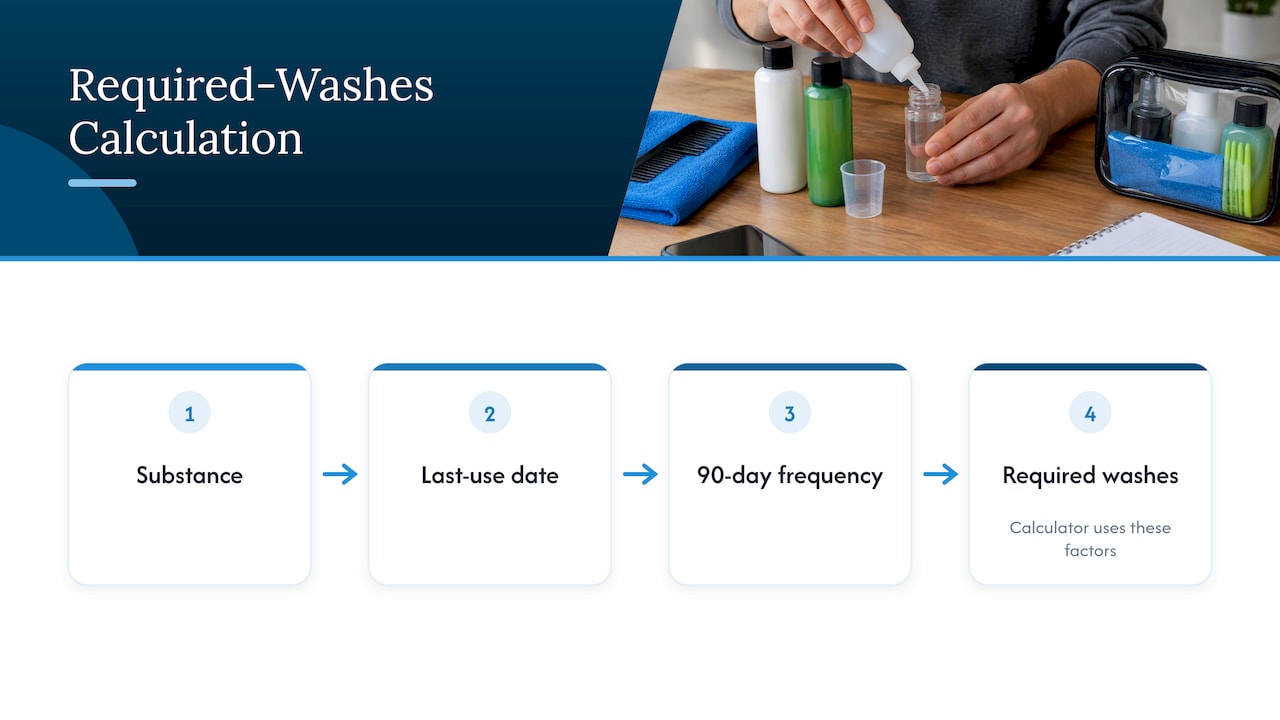
The number of washes needed depends on the substance involved, date of last use, and frequency of use over 90 days; a required-washes calculator helps determine the appropriate number. This method is built for high-stakes, imminent tests where you don’t have months to wait out a natural detox window.
For a quick read before you commit to a full cleansing protocol, a Home Hair Test kit lets you check status privately. When timelines are tight or the stakes are high, an Afterhours Personal Consultation connects you directly with guidance tailored to your situation, and a 12-panel saliva drug test is useful if your program tests oral fluid instead of or alongside hair. Always disclose any prescribed medications to your test administrator before the sample is collected.
The nine-step process behind Mike’s Macujo Method
Mike’s Macujo Method works through a specific, ordered sequence rather than a single wash or soak. Each step targets a different layer of the hair shaft to loosen and remove drug residue before the final cleansing stage.
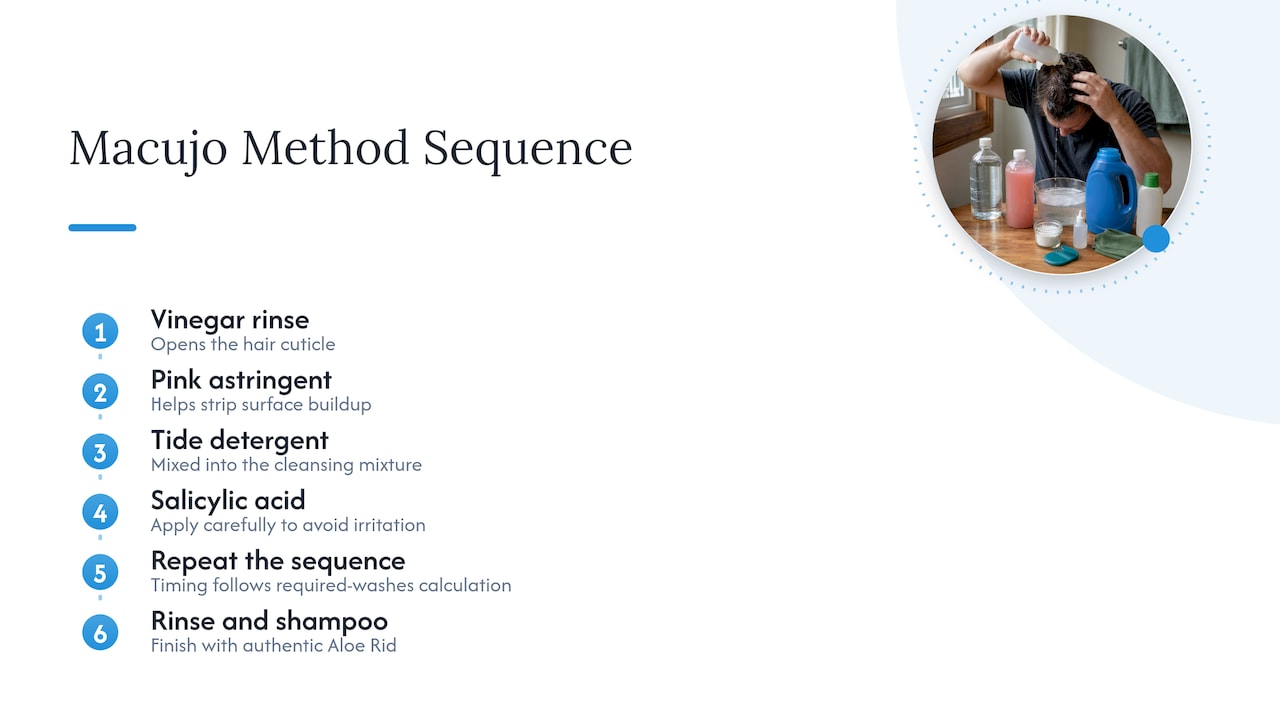
The process begins with a vinegar rinse to open the hair cuticle, followed by an application of Clean & Clear Pink Astringent, which helps strip surface buildup. Next comes a specific application of Tide liquid laundry detergent mixed into the mixture, chosen for its cleansing strength on the hair shaft. The method then calls for a precise combination involving salicylic acid, applied carefully to avoid scalp irritation while still penetrating the shaft. These steps are repeated in sequence, with timing and reapplication based on your required-washes calculation rather than a fixed number for everyone.
The final stages involve a thorough rinse and the authentic Macujo Aloe Rid Old Formula Shampoo wash, which closes out the protocol and conditions the hair after the more aggressive stripping steps. Each step has to be followed in order and with the correct timing, since skipping or rushing a stage reduces the method’s effectiveness. This is not a one-time overnight fix: depending on your results from the required-washes calculator, the full sequence may need to run across multiple days leading up to your test.
How to use Macujo Aloe Rid Shampoo in your cleansing routine
Macujo Aloe Rid Old Formula Shampoo is the shampoo the nine-step method is built around, and it only works as intended when it’s the authentic formula rather than a generic aloe-based substitute. It’s designed to be used at the end of each wash cycle within the broader method, not as a standalone solution on its own.
After completing the earlier steps involving the vinegar rinse, astringent, detergent, and salicylic acid combination, you work the Aloe Rid shampoo thoroughly through the hair and scalp, focusing on the areas closest to the root where recent growth sits. It needs contact time on the hair rather than a quick rinse, since the formula is working alongside the earlier steps to help strip residue from the hair shaft. Rinse thoroughly with warm water afterward, since any residue left behind can affect how later wash cycles perform.
The required-washes calculator factors in your substance, last use date, and 90-day usage frequency to tell you exactly how many full cycles you need before your test date, since a single wash is rarely enough for heavier or more recent use. Using the shampoo outside the full nine-step sequence, or substituting a different product at this stage, is one of the most common reasons people report inconsistent results. Priced between $100 and $150, the Macujo Aloe Rid Old Formula Shampoo is sold directly through our hair products category to make sure you’re getting the formula the method was actually built around.
Old Macujo Method vs. Mike’s Macujo Method: what changed and why it matters
It works, but it was built as a lighter protocol, and it provides only temporary masking rather than a full reset of the hair’s drug history.
Mike’s Macujo Method, introduced in 2018, was developed specifically to handle high THC levels along with other drugs and alcohol, situations the older protocol wasn’t built to address as reliably.
The practical difference comes down to who each method fits. If your use was occasional and relatively light, the older approach may be enough. If you’re dealing with frequent or heavy use, especially of THC, Mike’s Macujo Method is the protocol built to handle that level of exposure. The required-washes calculator is what determines which intensity of protocol and how many cycles your specific situation calls for, rather than guessing based on someone else’s results. Neither method is permanent: hair stays clean only as long as you don’t use drugs or alcohol again after completing the process.
How to spot authentic Macujo products and avoid counterfeits
Because Mike’s Macujo Method depends on the correct shampoo formula at the final step, using a counterfeit or substituted product is one of the fastest ways to undermine the entire process. The Macujo Aloe Rid Old Formula Shampoo sold through other resellers or marketplaces isn’t guaranteed to be the same formulation the method was built around.
The most reliable way to confirm authenticity is to purchase directly through our own hair products category rather than a third-party listing, since that’s the source we control end to end. If you’ve already purchased a product elsewhere and aren’t sure whether it’s genuine, an Afterhours Personal Consultation is a direct way to get a read on your specific situation before your test date, rather than guessing based on packaging alone.
Price can be an indicator; shampoos priced significantly below the typical range may warrant additional verification before use in high-stakes tests. Given how much the final wash step matters to the overall nine-step sequence, verifying the product before you start the protocol saves time you likely don’t have if your test date is close.
When to reach out for personalized consultation support
A required-washes calculator and a documented nine-step process cover most situations, but some circumstances call for direct, personalized guidance rather than following a general protocol alone. If your test date is only a few days away, if you’ve used heavily or recently, or if you’re unsure how your specific hair type or treatment history might affect the method, talking directly with someone familiar with the method’s variables is worth the extra step.
An Afterhours Personal Consultation is built for exactly this kind of time-sensitive situation, since it connects you with guidance outside standard business hours when test dates often land on short notice. It’s also useful if you’ve already started the method and aren’t seeing the expected progress, or if you’re combining hair preparation with a saliva or urine test on the same timeline and need to understand how the different methods interact.
Consultation support is most valuable before you start rather than after a failed result, since adjustments made early in the process have more impact than troubleshooting after the fact. If your situation involves prescribed medications, disclose them to your test administrator regardless of which preparation path you choose, since that documentation protects you independently of any cleansing protocol.
What to do right now if your test is coming up
Confirm which panel and cutoff level your program uses, and disclose any prescribed medications to the administrator in advance. If your timeline is short or your use history is heavy, a private pre-test and a same-day consultation give you clearer footing than guessing. Lighter, occasional use may only need a test kit to check where you stand.
Hair test preparation options from our team at Macujo
Once you know your panel, your timeline, and roughly how recent your use was, the next step is matching that to the right tool rather than guessing your way through a generic shampoo aisle fix. We built our product lineup around that exact decision point.
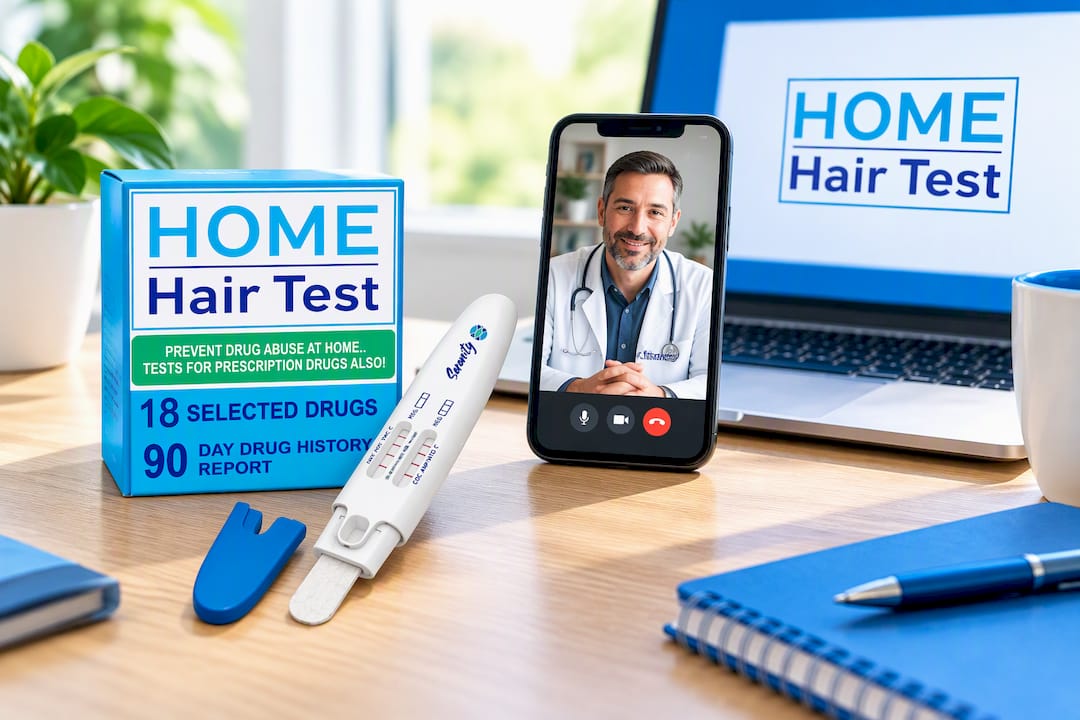
- Home Hair Test kit: check your status privately before relying on guesswork or a method alone.
- Afterhours Personal Consultation: get direct, time-sensitive guidance when your test date is close and the stakes are high.
- 12-panel saliva drug test: cover oral fluid testing scenarios alongside or instead of hair.
If heavy or recent use is part of your situation, a method paired with a required-washes calculator and specific shampoo can provide a documented path rather than a generic fix. Start by visiting our shop to pick the option that matches your timeline and test type.
FAQ
How long can Labcorp detect drugs in urine?
Urine testing generally detects recent use over a much shorter window than hair, typically spanning a few days up to about a week depending on the substance and frequency of use. Hair testing, by contrast, extends that detection window to roughly 90 days, which is why rehab programs and courts often prefer it for assessing patterns rather than isolated incidents.
How to pass a hair follicle test in 2026?
The most reliable documented approach remains a structured, test-specific protocol rather than a single product: Mike’s Macujo Method combines a nine-step cleansing sequence with a required-washes calculator tailored to your substance and use history.
What can throw off a hair follicle test?
Cosmetic treatments like bleaching, dyeing, or perming can reduce drug concentrations in hair and may be flagged during lab inspection. External contamination from smoke or sweat, along with natural differences in melanin binding between hair colors, can also affect how a result reads.
What shows up on a 12-panel hair follicle test?
A 12-panel hair test typically screens for cannabinoids, amphetamines, cocaine, several opioids including codeine and oxycodone, PCP, and benzodiazepines, though exact substances vary by lab. Some panels now include fentanyl or fentanyl-related compounds, though many routine panels still leave them out.
Does the Macujo Method actually work?
The older Macujo Method, built for lighter or moderate THC exposure, carries an estimated 90% success rate but offers only temporary masking.
Sources
- Hair follicle drug test: How it works, what to expect, and accuracy | Medical News Today
- Detecting fentanyl use through court-ordered mandatory drug testing | NIJ