Last Updated on November 19, 2026
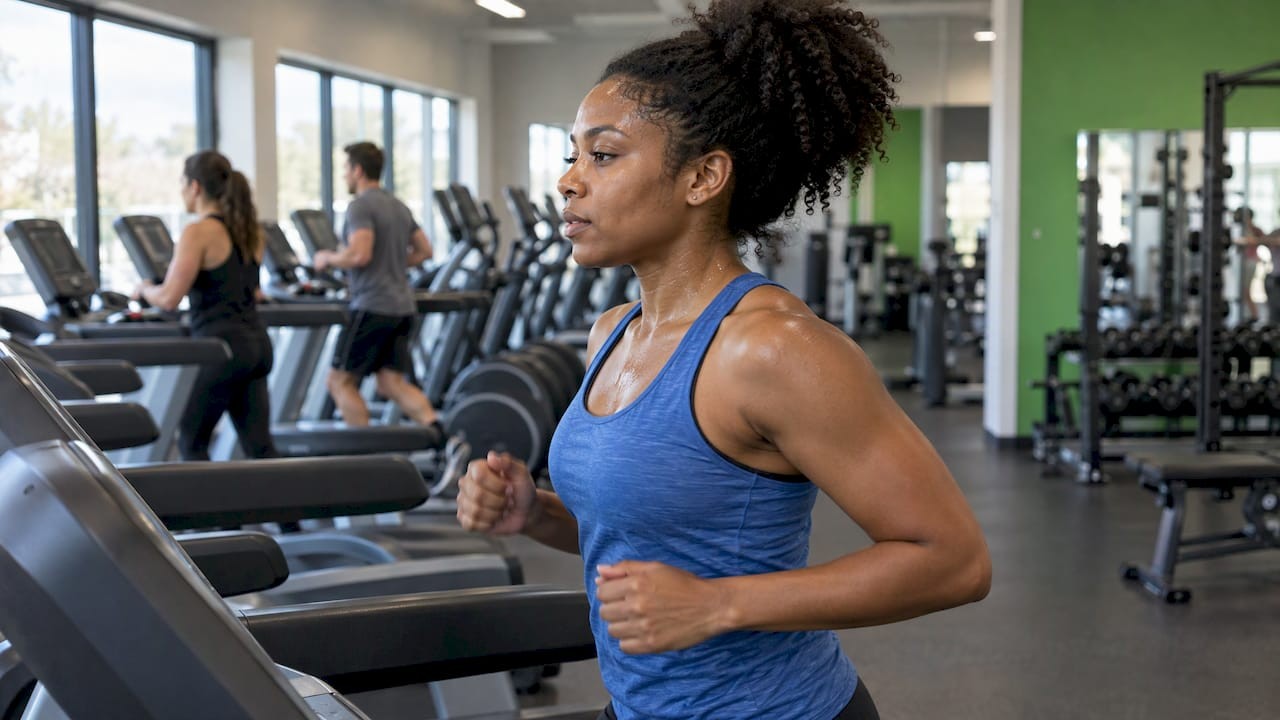
A workout the day before a hair follicle test will not rewrite your result. A hair test reads drug use stored in the hair strand over roughly the past 90 days, and a gym session does not undo that history. What a workout can do is add sweat, and sweat is one of the routes by which drugs get into hair. If you have recent exposure, the plan that counts is a cleansing method matched to your own use history, not a training schedule. That is the reason we built Mike’s Macujo Method around a required-washes calculator.
Below: how drugs get into hair, what exercise really changes, how to handle gym days before a collection, and where a cleansing plan fits.
TL;DR
- A hair test looks back about 90 days for head hair. One workout does not shorten that window or flush drugs out of strands that are already formed.
- Drugs reach hair three ways: from blood, from sweat and sebum, and from outside contact. Exercise mainly touches the sweat route.
- Heavier sweating raises skin blood flow and moisture, which is why gym days belong in your plan, not why they replace one.
- The required number of washes depends on the substance, date of last use and how often you used in the previous 90 days.
- If your test is close, a personal consultation with us is faster than guessing.
Table of Contents
- What a hair test actually measures
- How drugs get into hair, and where exercise fits
- Gym days in the week before a hair test
- Why washing after a workout is a different question from cleansing
- The part that decides your result: your use history
- What the law and employers actually do
- Where we fit in
- Our view: stop worrying about the gym, start counting washes
- FAQ
- Sources
What a hair test actually measures
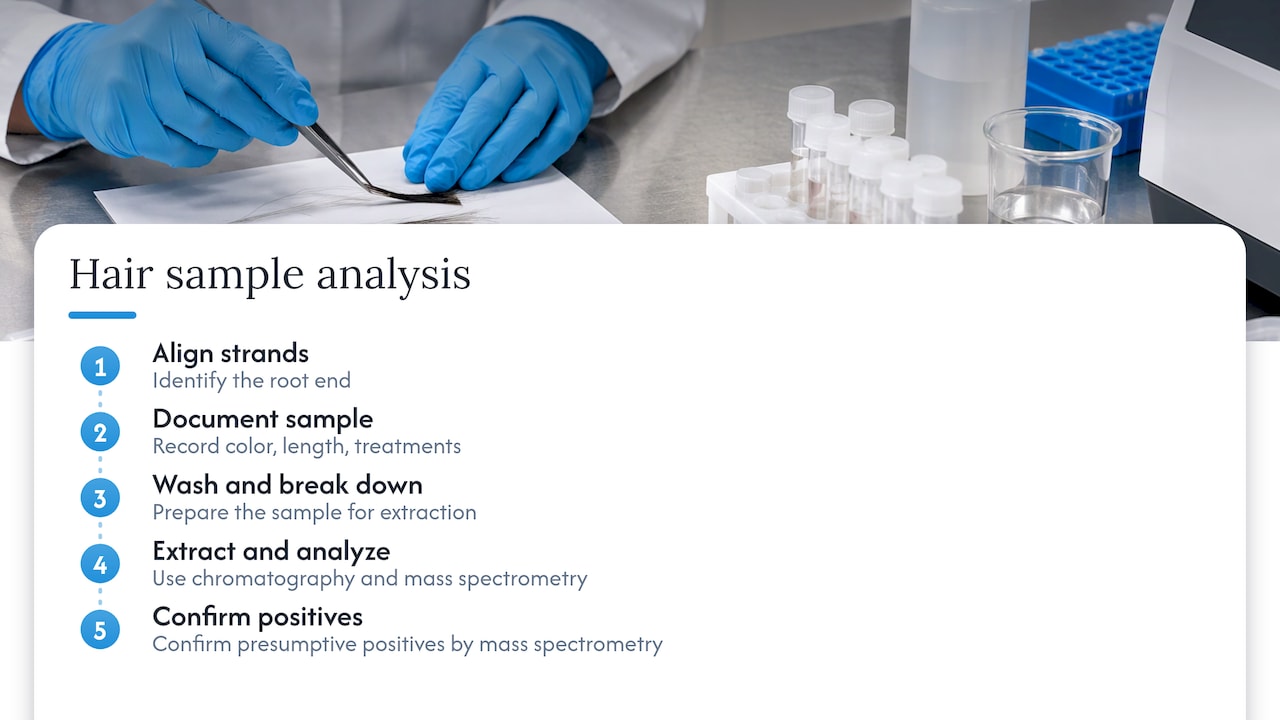
A hair follicle test is a lab analysis of a hair sample, usually cut from the back of the head close to the scalp. Under the 2022 consensus of the Society of Hair Testing, strands are kept aligned, the root end is identified, and the color, length and any treatments are documented. The lab then washes the sample, breaks it down, extracts it and analyzes it with chromatography and mass spectrometry. Any presumptive positive is confirmed by mass spectrometry.
Head hair reflects roughly three months of exposure, while slower-growing body hair can reflect up to 12 months, according to the StatPearls summary cited in that consensus material. For most readers, the number to remember is 90 days.
Timing at the front end matters too. A 2025 review in the Journal of Applied Laboratory Medicine reports that drugs reach the hair bulb within as little as 30 minutes of ingestion, but they do not show up in the part of the shaft above the scalp for at least a couple of days, sometimes up to 10. That lag is why recent use can slip past a hair test, as we explain in our guide to hair versus urine tests at work. If you want the full mechanics, see how hair drug testing actually works.
How drugs get into hair, and where exercise fits
The same 2025 review describes three paths into hair: diffusion from the blood while the hair grows, deposition from sweat and sebum, and external contamination. The UNODC testing guidelines add that drugs may also pass from skin directly to the zone where hair is made, and a 2025 forensic review in PMC lays out the same multi-route picture: blood during formation, sweat and sebum afterward, and the environment once the hair has emerged.
Here is where a workout comes in.
- Blood route. Most incorporation from blood happens while the hair is in its active growth phase. Your past use set that. A single session does not erase it.
- Sweat and sebum route. Sweat can carry drug traces to the scalp and hair. A University of Alberta pharmacokinetics review explains that exercise first raises skin temperature and skin blood flow, then sweating lowers skin temperature and increases skin hydration. That changes how substances move across the skin.
- External route. The 2025 toxicology review notes that external contamination can include sweat containing drug particles. A shared gym is not the issue. The issue is what is on your own skin, scalp, headbands, hats and pillowcases.
The same review of exercise and drugs says exercise does not substantially change absorption of oral drugs, though it can alter absorption by other routes and change how quickly the body clears some drugs. So there is no basis for treating cardio as a shortcut. Sweat is not a cleanser for hair that has already stored drugs.
The myth of sweating it out
The forums that rank for this search repeat a plan: run hard, sit in a sauna, then test. For a hair test the logic does not hold up. The sample is cut from your head, not drawn from your blood. The SAMHSA document on drug metabolites and hair testing points out that hair for testing is removed from completely outside the body and that most hair testing targets the parent drug rather than a metabolite, with THC’s metabolite THCCOOH as the main exception. A hard workout does not change what is already locked into the strand. It gives you more sweat on the hair that will be cut.
Gym days in the week before a hair test
You do not need to stop being active. You do need to treat the days before collection as controlled.
Do
- Shower and wash your hair after every sweaty session, and do it the same way each time.
- Wash hats, headbands, helmets and pillowcases that sit against your scalp.
- Keep your hair free from anyone else’s smoke or vapor exposure, in the car, at a party or at the gym parking lot.
- Tie your hair back and keep it out of equipment that other people’s sweat touches.
- Keep gym bags and towels separate from anything that has been around drug use.
Don’t
- Don’t bleach, dye, perm or heat-treat in the days before collection as a last-minute fix. The SoHT consensus notes these treatments change measured concentrations, and a visibly treated sample is documented by the collector.
- Don’t change your washing routine in a panic. Switching products the morning of the test adds variables.
- Don’t schedule a hard workout right before the appointment and show up with damp, sweaty hair. Arrive with clean, dry hair.
What about the collection appointment itself?
A collector cuts a sample close to the scalp from the back of the head. You can read what to expect in all about hair drug testing. If your hair is short, long or thin, our page on when long hair affects a drug test explains how length maps to the 90-day window, and our eyebrow hair test guide covers what happens if body hair is used.
Why washing after a workout is a different question from cleansing
Washing off sweat and running a full cleansing method are two separate things. Researchers have studied the first one. A 1999 study from Johns Hopkins on sweat and hair after drug doses found that cocaine and codeine appeared in sweat within 8 hours of dosing, mostly within 24 hours, and showed up in hair within 1 to 3 days. Solvent washes removed about half of the drug from hair collected 1 to 3 days after dosing. A 2020 study on hair decontamination found that hair treatments can affect measured concentrations and that wash procedures are not standardized.
What that means for you: how you wash is not a detail. A rinse in the gym shower is not a protocol. If you have recent exposure, you want a defined routine with a defined number of washes, done the same way every time.
The part that decides your result: your use history
A workout is a small variable. These are the big ones:
| Factor | Why it matters |
|---|---|
| Substance | Different drugs and THC levels need different cleansing effort |
| Date of last use | Recent use is harder to clear than use from weeks ago |
| Frequency in the previous 90 days | Heavier use means more to remove |
| Hair length and type | Determines how much history the sample covers |
| Test timing | Determines how many washes you can fit before collection |
Our required-washes calculator takes the first three of those, the substance, the date of last use and how often you used in the previous 90 days, and returns the number of washes for Mike’s Macujo Method. That is the number that should drive your calendar. Work the gym around it, not the other way around.
A worked example
Say your test is on a Friday, you trained hard Tuesday and Wednesday, and your last use was a few weeks ago after a period of regular use. You would enter the substance, the last-use date and your frequency into the calculator, get the required wash count, and then set a daily schedule that fits every wash and every direction. Gym sessions go on the schedule after a wash day is placed, and each session is followed by a normal shower. You do not skip a wash because you trained, and you do not add a wash because you did not. The count comes from the calculator.
If you want to compare that plan against a longer runway, see our hair detox timeline, day by day and what to do when 90 days isn’t enough.
What the law and employers actually do
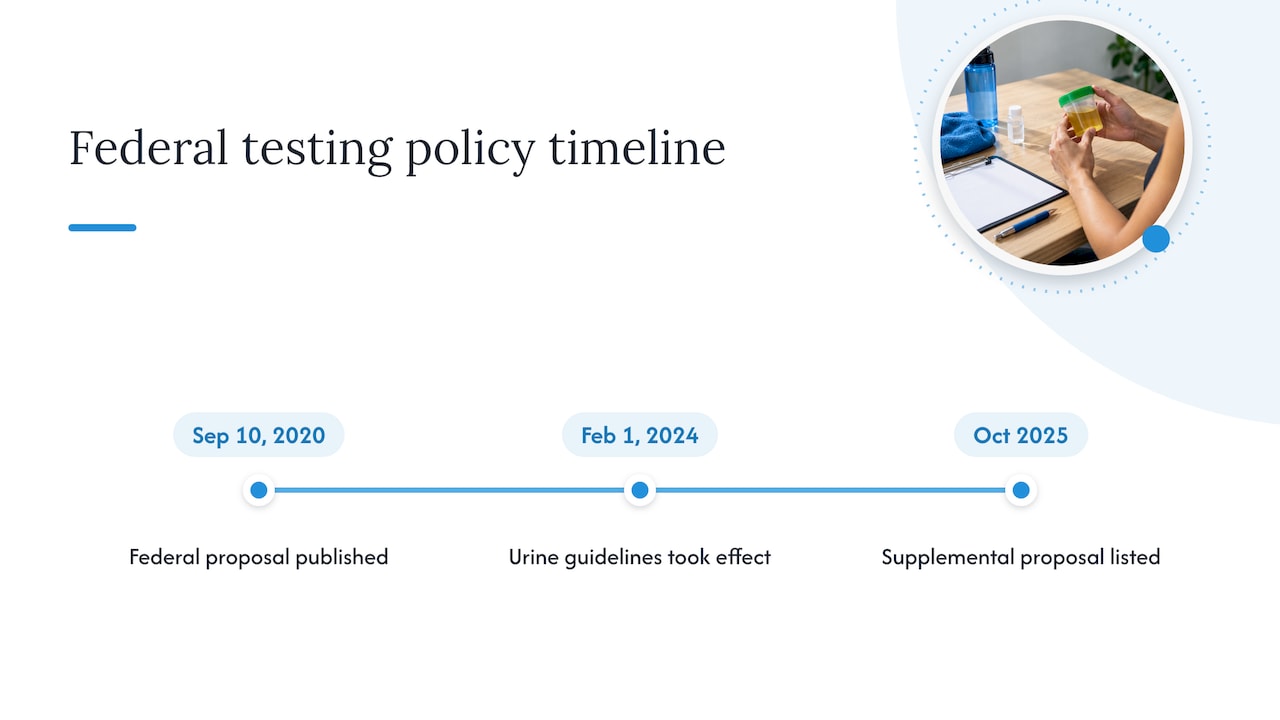
Most U.S. employers that use hair testing do so at the pre-employment stage. For federal programs, the picture is still unsettled: the 2025 Unified Agenda entry lists the federal hair-testing guidelines at the proposed-rule stage, with the original proposal published September 10, 2020 and a supplemental proposal listed for October 2025. The 2020 HHS proposal would limit federal hair testing to pre-employment and random testing, with a single head specimen collected by a trained collector under direct observation. It also provides for an alternate specimen, such as urine or oral fluid, in certain circumstances.
The revised federal urine guidelines took effect on February 1, 2024, with cutoffs of 50 ng/mL initial and 15 ng/mL confirmatory for THC metabolite. Workplace testing guidance from Drug Safe Workplace states that hair testing is not permitted under DOT regulations. Rules differ by employer and state, so read the policy your employer gave you.
If a result comes back positive and you believe it is wrong, our page on what to do after a failed hair test walks through verifying and retesting within the 90-day window. For a legal question about a specific employer action, talk to an employment attorney.
Where we fit in
If your test is days away, a plan beats a guess. Mike’s Macujo Method is our current standard: a nine-step process introduced in 2018 and developed for high THC levels and other drugs and alcohol. It is completed with authentic Macujo Aloe Rid® Shampoo, and the number of washes comes from the required-washes calculator. When every required wash and direction is completed correctly, the method has a reported success rate of better than 99%, and the hair stays clean unless drugs or alcohol are used again.
The Macujo Aloe Rid Old Formula Shampoo is listed at $100 to $150 on our hair products page. If you want someone to check your plan against your own history, the Afterhours Personal Consultation is $100, one-off. Customers also get after-hours phone support.
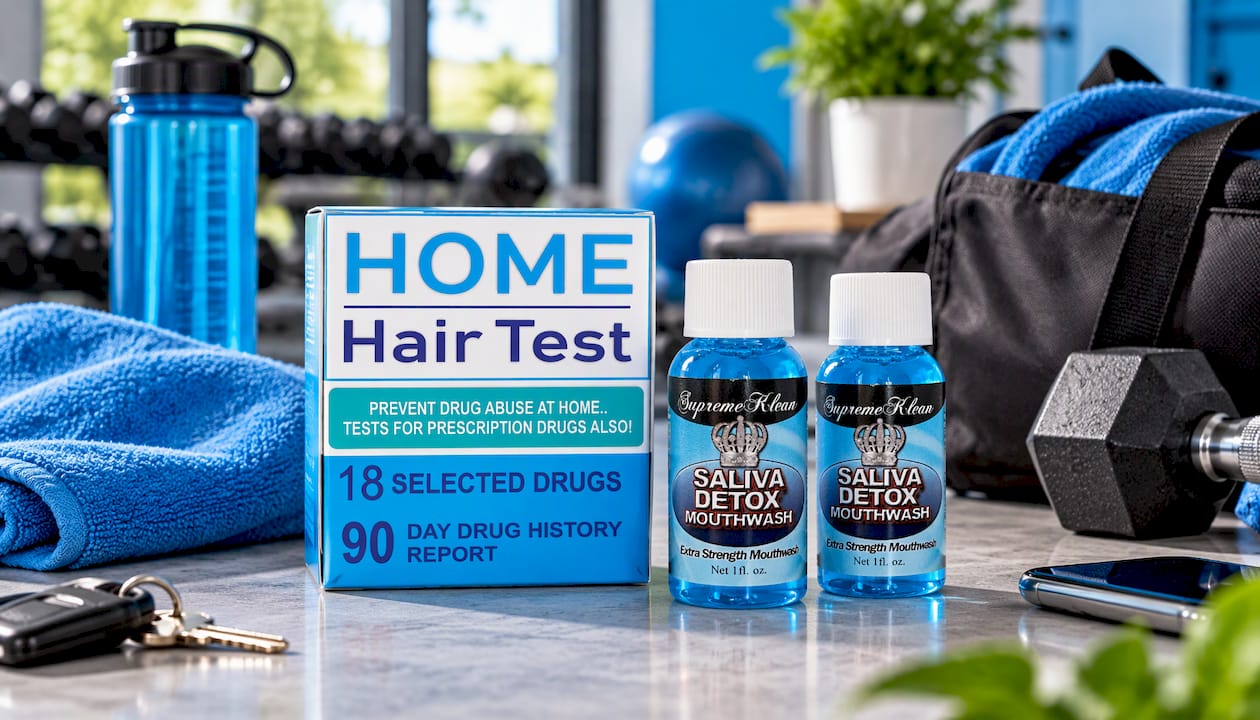
We have been helping people prepare for hair tests since about 1999. Please do not confuse Mike’s Macujo Method with the old Macujo Method, which was designed mainly for low-to-moderate THC exposure and provides only temporary masking. If you would like to run a home check first, we also carry a Home Hair Test kit. Urine and saliva products are on the main site for those tests.
Our view: stop worrying about the gym, start counting washes
We hear the workout question a lot, and the honest answer is that it is the wrong thing to lose sleep over.
Hair holds a record. A session at the gym is not going to rewrite 90 days of it, and it is not going to hurt a plan that was built correctly either. What goes wrong is the opposite: people spend the week before a test fiddling with sweat, saunas and supplements, and they skip the one thing that is specific to them, which is how many washes their history calls for.
That is why Mike built the required-washes calculator into Mike’s Macujo Method. It takes your substance, your last-use date and how often you used in the previous 90 days, and it gives you a number. Then you do every wash and follow every direction with authentic Macujo Aloe Rid® Shampoo. That is the whole idea: a defined process that is done the same way each time.
If your test is close and you want a second set of eyes, call us. We would rather talk through your schedule, gym days included, than have you guess.
MIchael
FAQ
Can I exercise the day before a hair follicle test?
Yes. Exercise does not change the 90-day record in your hair. Shower and wash your hair afterward, keep hats and headbands clean, and arrive at collection with clean, dry hair. Keep your wash schedule fixed rather than moving it around training.
Does sweat affect a hair drug test?
Sweat is one of the ways substances can reach hair, along with blood and outside contact, according to the 2025 toxicology review. That is why post-workout washing and clean gear matter. Sweat does not remove drugs already stored in the strand.
How long does my hair have to be for a drug test?
Labs commonly use hair cut close to the scalp, and head hair reflects about 90 days of history. Length changes how much history the sample covers, and body hair can be used if head hair is short. Our long hair guide covers the details.
Is it okay to dye my hair after a workout before a test?
We advise against it. Bleaching, dyeing, perming and heat treatments change measured concentrations, per the SoHT consensus, and the collector records treatments. Keep your routine steady in the final days.
How many washes do I need?
That depends on the substance, your date of last use and how often you used in the previous 90 days. Our required-washes calculator gives the number for Mike’s Macujo Method, and a personal consultation can confirm it against your schedule.
Sources
- Review on Toxicology Testing in Hair, Journal of Applied Laboratory Medicine (2025)
- UNODC guidelines for testing drugs in hair, sweat and oral fluid (2014)
- The multifaceted role of hair as a biospecimen (PMC, 2025)
- The Effects of Exercise on the Pharmacokinetics of Drugs (University of Alberta)
- Society of Hair Testing general consensus (2022)
- SAMHSA, Drug Metabolites and Hair Testing (2017)
- Drug testing with alternative matrices II (Johns Hopkins, 1999)
- Insights into the Decontamination of Cocaine-Positive Hair (PMC, 2020)
- HHS Unified Agenda, hair-testing guidelines (2025)
- HHS proposed hair-testing guidelines, NPRM (2020)
- Federal Register: Mandatory Guidelines using Urine (2023)
- Drug Safe Workplace, comparing key qualities (2025)