Last Updated on August 12, 2026
Key Takeaways:
- The 90-day hair test window is a guideline based on average sample length and hair growth, not a promise that THC becomes undetectable once day 91 arrives.
- Your result depends on what the lab actually collects, including scalp versus body hair, segment length, growth rate, use frequency, and even certain hair or topical products.
- If your deadline is close, simply waiting is a gamble; Mike’s Macujo Method offers a proven preparation plan, and a Home Hair Test Kit helps you check your readiness before the official screen.
Most people treat the 90-day mark like a finish line. Cross it, and you're clear. But detection depends heavily on how often you used, your hair's growth rate, and the specific sample a lab collects. The 90-day figure is a guideline built around average hair growth, not a date when THC metabolites simply vanish.
Hair testing doesn't measure what's in your system right now. It reads a biological record locked inside the hair shaft itself, which means recent sobriety alone isn't the whole picture. Two people with identical use histories can face different outcomes depending on how fast their hair grows, which site the collector samples, and how long a segment they take. When a firm deadline is on the line, those variables matter more than any date on the calendar. That's where Mike’s Macujo Method gives you an active, evidence-based preparation plan instead of a waiting game. Explore Macujo's hair cleansing products to find the right preparation plan for your timeline.
What Does the 90-Day Hair Follicle Drug Test Window Really Mean?
The 90-day window reflects how far back a standard hair sample can reach, based on average scalp hair growth. It is a sampling convention, built into lab protocol because scalp hair grows at a predictable average rate, not a biochemical cutoff after which THC disappears. That distinction is not semantic. The clock the lab is reading is your hair's growth clock, not your sobriety clock, and the two rarely align perfectly.
Why do labs keep referencing a 90-day window?
The figure comes from hair biology, not lab policy. Scalp hair grows roughly 1 centimeter per month. A standard hair sample measures about 3.9 cm from the scalp, which covers approximately three months of growth. That growth window became the industry's working reference point.
Does the lab test the hair follicle itself?
No. The follicle stays in the scalp. Labs test the strand of hair that has already grown out. As blood circulates during active drug use, compounds like THC metabolites are absorbed into the growing hair shaft, where they remain embedded in the structure of the strand long after the drug clears your bloodstream.
Does 90 days mean THC becomes undetectable on day 91?
Not at all. The 90-day figure reflects the length of the sample collected, not a biochemical cutoff. If your hair is longer, or if a collector takes a longer segment, the detectable history extends accordingly. The Society of Hair Testing is explicit that the window is tied to sampling conventions, not a fixed expiration date.
Can the detection window stretch beyond 90 days?
Yes. Body hair grows slower than scalp hair and can reflect a longer personal history. A longer scalp sample, or segmented analysis that examines specific portions of the strand, can push the detectable window further back than three months. The 90-day guideline assumes a standard proximal sample only.
So why is "90 days" better treated as a starting point than a finish line?
Because the real window depends on your hair's growth rate, the length of the sample collected, and how the lab segments it. Treating 90 days as a guaranteed clearance point is the kind of assumption that leaves people surprised by a positive result. If you have a hard test deadline, the calendar alone is not your safest plan.
What Affects How Long THC Stays Detectable in Hair?
Several biological and personal factors push that timeline earlier or later, which means two people with similar use histories can face very different outcomes on the same test.
How do THC metabolites end up in hair in the first place?
When THC enters your bloodstream, the body breaks it down into metabolites. Some of those metabolites bind to the cells inside your hair as it grows from the follicle, becoming locked into the strand itself. That's why they can still show up in a hair test long after urine or saliva results have cleared.
Does hair growth rate change how far back a test can detect use?
It does, significantly. The standard assumption is that scalp hair grows roughly 1 cm per month, which is how labs arrive at the 90-day estimate for a sample of about 3.9 cm (approximately 1.5 inches). If your hair grows slower, that same strand covers a longer time span. Faster growth compresses it. No two people share an identical timeline.
Does how often you used cannabis affect your result?
Yes, and it is one of the more important detection factors. Frequent or heavy use means more metabolites circulating in the blood and, in turn, more incorporated into the hair shaft. Occasional use can still produce a positive result, but the concentration is generally lower, which brings lab detection thresholds into play.
Is body hair tested the same way as scalp hair, and does it cover the same window?
Not exactly. Body hair grows much more slowly and goes through longer resting phases, so a body hair sample doesn't map neatly to a 90-day window. Labs that use body hair when scalp hair is unavailable may effectively be looking at a much longer use history, sometimes spanning a year or more.
Can hair treatments or cosmetic products change what a test detects?
Research shows that certain hair-care products can reduce measured THC concentrations in hair by an average of 52–65%, sometimes pushing levels below reporting thresholds. Conversely, topical cannabis products like hemp oil applied to hair can deposit cannabinoids externally, potentially registering as evidence of exposure. These variables are exactly why the calendar alone is an unreliable guide for anyone with a real deadline.
How Much Hair Is Collected for Testing, and Why Does It Matter?
The collection step is where the 90-day rule either holds or starts to shift. Understanding what a collector actually takes from your head changes how you read your own risk before test day.
How much hair is collected during a standard employment hair drug screen?
A collector takes roughly 100 milligrams of hair, which works out to about 90 to 120 strands. The sample is cut as close to the scalp as possible from the back of the head. That starting point matters more than most people realize.
Why does the length of the sample matter as much as the amount?
The standard tested segment is 1.5 inches measured from the root, and that length corresponds to roughly 90 days of growth at the average rate. A longer segment extends the window; a shorter one compresses it. The calendar date of use means very little if the segment length tells a different story.
What happens if scalp hair is too short or unavailable at collection?
When scalp hair falls below the usable threshold, federal guidelines require collectors to switch to an alternate specimen, which may include body hair or a different test type entirely. Body hair grows more slowly, so it can reflect a longer and less predictable detection window than a standard scalp sample.
Can cutting, shaving, bleaching, or dyeing hair remove THC history from the sample?
Shaving simply removes the evidence before collection, which labs and employers notice. Bleaching and dyeing may lower metabolite levels, but the results are inconsistent, and treated hair can still return a positive. Labs are also trained to flag chemically compromised samples, which raises its own red flags.
Why do collection details change the practical reach of a hair test beyond the simple 90-day guideline?
What is collected — which site, what length, and whether scalp hair is even available — shape what the lab can actually see. Two people with identical use histories can face meaningfully different results based on collection variables alone. That is precisely why treating the 90-day rule as a fixed expiration date is a gamble most job seekers cannot afford to take.
What Should You Do If Your Test Date Is Close and Waiting 90 Days Is Not Enough?
Ninety days is a useful guideline, but it was designed around an average: scalp hair growing at 1 cm per month, a 3.9 cm sample, a standard collection site. You are unlikely to be average in all three. THC metabolites reach hair through multiple biological routes, and research confirms labs can still detect past use after that mark passes. The date you stopped using cannabis is not the date your hair stops telling its story.
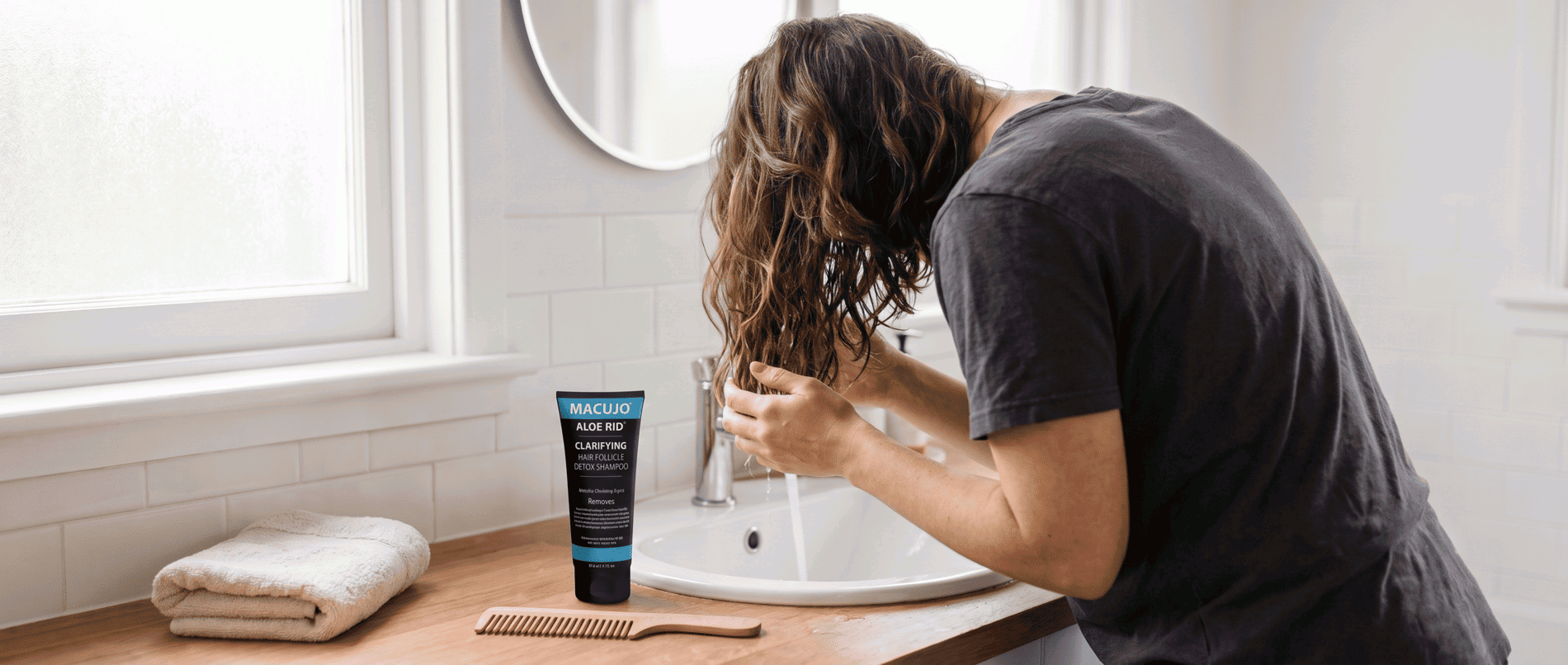
That's precisely why Mike’s Macujo Method is built around preparation, not patience. The protocol centers on Macujo Aloe Rid® Shampoo, a product whose authenticity sets it apart from copycat alternatives on the market. Pairing it with a Home Hair Test Kit lets you verify your readiness before the official screen, so you go in with data instead of doubt.
See the full range of hair detox products at Macujo and choose the preparation plan that fits your test date.