Last Updated on September 25, 2026
The fastest evidence-backed route for many imminent hair follicle tests is a methodical, repeat wash protocol using Mike’s Macujo Method with authentic Macujo Aloe Rid® shampoo, run for the required number of washes. Results vary by substance, hair type, and how long its been since last use, and no method offers an absolute guarantee. If your test is close, the practical next step is ordering authentic product and booking a consultation to build the right wash schedule.
TL;DR:
- Repeated, targeted washes using Mike’s Macujo Method can reduce THC hair concentrations by up to 73%, but no method guarantees complete removal.
- Substance type, recent use, and hair condition significantly influence the effectiveness and required wash schedule for detoxification.
- Lab detection relies on comparing surface residue with internal metabolites, making extensive washing more difficult to detect but not foolproof.
- Hard water buildup resists cleansing solutions; mineral deposits can hinder penetration unless surface residues are first managed with specific treatments.
- Booking a professional consultation is recommended within 48 hours of testing if you have chemically treated hair or recent heavy use for proper scheduling and protocol adherence.
Table of Contents
- What Does the Research Say About Hard Water Hair Detox for Drug Testing?
- Step-by-Step Plan: Mike’s Macujo Method and the Required-Washes Calculator
- How Labs Detect Manipulated Hair Samples
- Common Ingredients and Chemicals in Hard Water That Cause Hair Buildup
- Symptoms and Signs of Hard Water Damage on Hair
- Effective Natural and Commercial Treatments for Hard Water Hair Detox
- Preventive Measures to Minimize Hard Water Effects on Hair
- Comparing Hard Water Hair Detox to Other Hair Detox Methods
- DIY Recipes for Hard Water Hair Detox
- Why Macujo Built Its Method the Way It Did
- What to Order and Do in the Next 72 Hours
- Sources
- FAQ
What Does the Research Say About Hard Water Hair Detox for Drug Testing?
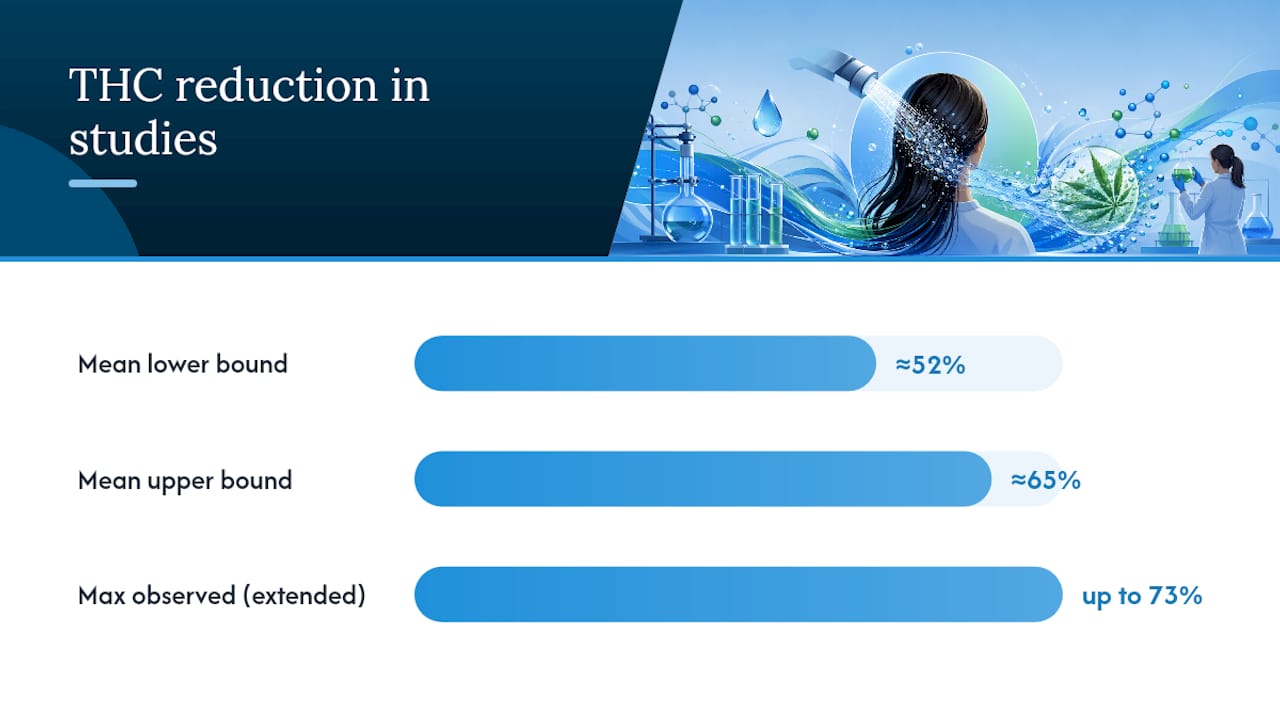
Peer-reviewed testing on hair-cleansing protocols gives a real range, not a single magic number. Controlled studies on commercially available cleansing products found mean reductions in THC hair concentrations of roughly 52% to 65%, with some protocols pushing reductions as high as 73% for certain analytes under extended or repeated application. That’s a meaningful drop, but it’s not the same as zero, and it’s not consistent across every drug or every head of hair.
The variability comes down to three things: which drug you’re testing for, how damaged or porous your hair already is, and how long it’s been since you last used. THC tends to bind more stubbornly to the hair shaft than cocaine or amphetamines, so identical treatments often remove less THC than they remove other substances. That’s why a one-size-fits-all wash count is a bad idea, and why substance-specific planning matters more than most people assume.
There’s also a detection gap worth knowing about. Forensic literature confirms that labs currently have no standardized routine workflow to reliably detect extensive washing, and visual inspection of the hair often can’t catch that a cleansing protocol was used at all. That doesn’t mean detox is risk-free. It means the interpretation burden falls on wash-residue analysis and metabolite confirmation rather than a simple “manipulated hair” flag.
A few things separate an effective protocol from a wasted one:
- Repetition beats a single aggressive wash. Studies on everyday products (alcohol, disinfectants, certain shampoos) showed similar reduction ranges to marketed detox shampoos when applied repeatedly over time, not once.
- Aggressive chemical treatments (bleaching, perming) can cause larger drops because they damage the melanin and keratin matrix, but they’re inconsistent and can visibly alter the hair in ways that invite follow-up scrutiny.
- Time since last use changes everything. A protocol built for someone who used three weeks ago won’t match the needs of someone who used the night before.
Reported reduction range: Controlled studies on hair-cleansing products show mean THC reductions of about 52% to 73%, depending on the product, the protocol, and how the hair was treated. That range is the ceiling for what methodical hard water hair detox and drug-metabolite cleansing can realistically achieve, not a promise.
Step-by-Step Plan: Mike’s Macujo Method and the Required-Washes Calculator
The method is a nine-step process built specifically for high THC exposure along with other drugs and alcohol, designed to be run with a specific clarifying shampoo to work as intended. Without walking through every proprietary detail, the sequence generally moves through a cleansing and clarifying stage, a targeted shaft-penetration phase using the Aloe Rid formula, and a final rinse cycle repeated across the number of washes your situation calls for.
That number isn’t fixed. It comes from Mike’s Required Washes Calculator, which factors in three inputs:
- Substance used — THC, opiates, and stimulants respond differently to the same wash protocol.
- Date of last use — more recent use generally means a longer wash schedule.
- Frequency of use over the last 90 days — daily or heavy use requires more washes than occasional use.
Change any one of those three inputs and the recommended schedule shifts. That’s the entire point of using a calculator instead of guessing.
Pro Tip: Don’t round down on your last-use date to make the schedule feel shorter. The calculator’s accuracy depends on honest inputs, and underestimating frequency is the single most common reason a wash plan comes up short.
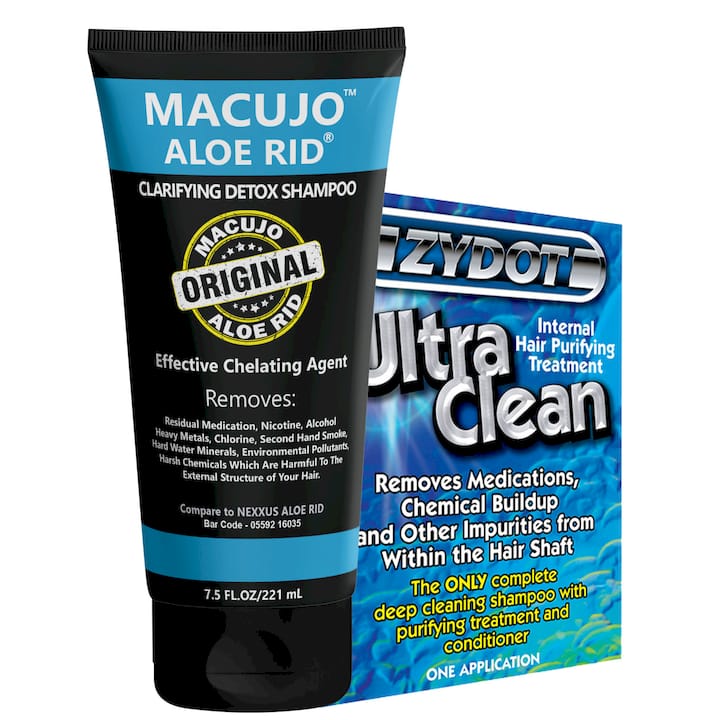
Before you start, a few prep steps matter more than people expect. Order your authentic Aloe Rid product set early, since knock off versions of “clarifying” shampoos sold under similar names won’t replicate the tested protocol. Map out your wash schedule against your actual test date, not a hoped-for one. Avoid conditioners, oils, or heavy styling products in the days leading up to your washes since they coat the shaft and interfere with penetration.
Hair type changes the plan too. Chemically relaxed or color-treated hair may need gentler timing between washes to avoid scalp irritation, while dreadlocks require a substantially different approach because the wash solution has to reach hair that’s locked into a dense structure. If your timeline is under 48 hours, heavy recent use is involved, or your hair has dreadlocks or significant chemical damage, that’s the point to book a consultation rather than run the protocol solo. A ten-minute phone call can catch a scheduling mistake that would otherwise cost you the whole window.
How Labs Detect Manipulated Hair Samples
Forensic labs don’t rely on a single test to catch contamination or washing. They lean on what’s called the wash/hair concentration ratio: comparing what shows up in the external wash solution against what’s embedded inside the hair shaft. If a sample shows metabolites primarily on the outside with little internal incorporation, that points to contamination rather than actual drug use. Combined with cutoff-based metabolite confirmation, this approach identifies most externally contaminated samples in controlled exposure studies.
Society of Hair Testing (SoHT) style decontamination procedures set the baseline labs use to rule out surface contamination before reporting a result. Those procedures aren’t magic solvents. Testing found that standard decontamination washes removed only about 28% to 38% of cocaine and 16% to 31% of methamphetamine from treated samples, and running the wash longer than the optimized window rarely improved removal. That’s a meaningful ceiling: a lab’s own decontamination step isn’t designed to strip everything, which is part of why intensive personal protocols can still move the needle when done correctly and repeatedly.
Where things get risky is in the gap between “some reduction” and “enough reduction.” A few scenarios raise the odds a protocol won’t fully clear a test:
- Chronic, heavy use leaves deeper metabolite incorporation that a short wash cycle won’t fully reach.
- Very recent last use (within days of the test) gives less time for the protocol’s repeated washes to work through the shaft.
- Small hair samples collected close to the scalp can capture the most recent growth, which is harder to fully clear than older growth further down the shaft.
- Follow-up or split testing at some labs can flag inconsistencies between an initial screen and a confirmation test.
None of that means the odds are hopeless. It means the wash count and timing have to match your actual situation, not a generic template.
Common Ingredients and Chemicals in Hard Water That Cause Hair Buildup
Hard water carries dissolved minerals, mainly calcium and magnesium, picked up as it moves through rock and soil before it reaches your tap. Those minerals don’t rinse away cleanly. Instead, they bond with the fatty acids in regular shampoo and conditioner, forming a waxy film that coats the hair shaft and clings to the scalp.
Chlorine, common in municipal water treatment, adds a second layer to the problem. It strips natural oils from the hair while the mineral film builds on top, leaving strands that feel simultaneously dry and coated. Iron, present in some water supplies, can leave a duller cast on lighter hair colors over time.
The buildup compounds fast because most standard shampoos aren’t formulated to break mineral bonds. Every wash with hard water adds another thin layer of residue, and that residue accumulates on the cuticle, the hair’s outer protective layer, making it rougher and less able to reflect light or absorb moisture evenly.
For anyone running an intensive cleansing protocol tied to a hair follicle test, this matters for a different reason: a shaft already coated in mineral residue resists penetration by any cleansing solution, whether that’s a specialized detox shampoo or a standard clarifying formula. Clearing that surface buildup first is part of why protocols built around repeated washing and shaft penetration, like Mike’s Macujo Method, are structured the way they are.
Symptoms and Signs of Hard Water Damage on Hair
Hair exposed to hard water for months or years tends to show a consistent pattern of damage that’s easy to spot once you know what to look for. Strands feel rough or straw-like to the touch, even right after washing, because the mineral coating prevents moisturizing ingredients from actually reaching the shaft.
Color-treated hair fades faster and looks duller under hard water conditions, since the mineral film scatters light instead of letting it reflect cleanly off smooth cuticle. Curly and textured hair often loses definition, appearing frizzier and less able to hold a curl pattern because the coating disrupts how moisture and product interact with each strand.
Scalp symptoms show up too. Persistent dryness, flaking, or a tight, itchy feeling after washing are common complaints, since mineral residue can clog the scalp’s natural oil pathways. Some people also notice their hair takes noticeably longer to lather with regular shampoo, a signal that mineral buildup is blocking the shampoo from binding properly with water and oil on the scalp.
Breakage and split ends increase over time as the cuticle layer roughens and loses its ability to flex without snapping. For anyone preparing hair for an intensive cleansing protocol, this matters directly: hair already weakened by long-term hard water exposure may need gentler timing between wash cycles to avoid additional stress on strands that are already compromised.
Effective Natural and Commercial Treatments for Hard Water Hair Detox
Clarifying shampoos formulated to break down mineral deposits are the most direct commercial fix, and they work by using surfactants strong enough to lift the calcium and magnesium film without stripping color or moisture entirely. Chelating shampoos go a step further, using ingredients specifically designed to bind to metal ions and rinse them away, which makes them a better match for households on genuinely hard water supplies rather than occasional mineral buildup.
Apple cider vinegar rinses are the most commonly recommended natural option, since the mild acidity helps dissolve mineral residue and smooth the cuticle. A diluted rinse, roughly one part vinegar to three or four parts water, applied after shampooing and left on for a minute or two before rinsing, is a reasonable starting point for most hair types.
Deep conditioning masks with humectant ingredients help rebuild moisture that hard water strips away, though they don’t remove mineral buildup on their own. Filtered or distilled water rinses, used occasionally as a final rinse step, can prevent additional mineral deposit without requiring a full filtration system.
For anyone also managing a time-sensitive hair follicle test, it’s worth separating these two goals clearly. General hard water maintenance products address cosmetic buildup and shaft health. They are not designed to address metabolite removal at the level required to affect a drug test outcome, which is a fundamentally different chemical target requiring a purpose-built protocol like Mike’s Macujo Method.
Preventive Measures to Minimize Hard Water Effects on Hair
A shower filter attached directly to the showerhead is the most reliable long-term fix, since it reduces mineral content before water ever touches your hair. These filters vary in how much calcium and magnesium they remove, but even a partial reduction slows buildup meaningfully over weeks and months.
Washing less frequently, or switching to a gentler cleanser between full shampoo days, reduces how often mineral-laden water contacts the hair shaft. Rinsing with cooler water rather than hot water also helps, since heat tends to open the cuticle wider and makes it easier for mineral deposits to lodge inside.
A monthly clarifying wash, rather than a daily habit, keeps buildup from accumulating without over-stripping natural oils. Leave-in products with lightweight, water-soluble ingredients create less of a base for minerals to bond to compared to heavy oils and silicones, which can trap mineral particles against the scalp and shaft.
For people managing textured or chemically treated hair, spacing out chemical services and mineral buildup removal is worth planning together, since both put stress on the same vulnerable cuticle layer. None of these preventive steps overlap with drug-test cleansing protocols. They’re aimed at long-term cosmetic hair health, while an imminent test calls for a protocol specifically built to address metabolite concentration in the shaft, not surface mineral film.
Comparing Hard Water Hair Detox to Other Hair Detox Methods
“Hair detox” gets used loosely across two very different worlds, and mixing them up wastes time when a test deadline is close. Cosmetic hard water detox, using clarifying or chelating shampoos, targets mineral deposits sitting on the outside of the hair shaft. It’s a surface-level fix aimed at texture, shine, and color retention.
Drug-metabolite detox is a different chemical problem entirely. It targets substances incorporated into the hair’s internal structure during growth, which sit far deeper than any mineral film. That’s why a standard clarifying shampoo, however good it is at stripping calcium buildup, has no meaningful effect on THC or other metabolites bound inside the keratin matrix.
Other detox approaches worth distinguishing include full chemical stripping (bleaching or perming), which can produce large concentration drops by damaging melanin and keratin but comes with inconsistent results and visible hair damage that can prompt lab scrutiny. There’s also generic “detox shampoo” marketing, much of which relies on unverified testimonials rather than controlled evidence, making it hard to know what you’re actually getting until it’s too late to fix.
The protocols built specifically around required-washes calculations, like Mike’s Macujo Method, sit in a different category from both cosmetic hard water treatments and generic detox marketing. They’re structured around substance-specific reduction data, hair-type variables, and a defined wash count rather than a one-time product application. That structural difference is the whole reason timing and repetition matter more than which bottle you grab off a shelf.
DIY Recipes for Hard Water Hair Detox
For general mineral buildup, a handful of home recipes hold up reasonably well. A diluted apple cider vinegar rinse, mixed at roughly one part vinegar to three or four parts water, applied after shampooing and rinsed out after a minute, helps dissolve surface mineral deposits and smooth the cuticle. Adding a tablespoon of baking soda to a cup of water creates a mild clarifying rinse that some people use once every few weeks, though it shouldn’t replace regular shampoo since it can be drying with overuse.
A citric acid rinse, made by dissolving a small amount of vitamin C powder or lemon juice in water, works on a similar principle to the vinegar rinse: mild acidity breaks the bond between minerals and hair. Distilled water as a final rinse step, poured slowly over the hair after regular washing, prevents new mineral deposits without adding any chemical treatment at all.
These recipes are genuinely useful for cosmetic maintenance, and they’re worth keeping in a regular hair-care routine if your water supply runs hard. But it’s worth being direct about their limits here: none of these home mixtures do anything to affect drug metabolite concentrations inside the hair shaft, because they’re not designed to. If your goal is passing an imminent hair follicle test, what your specific situation requires is a wash protocol built around your substance, your last-use date, and your usage frequency, not a kitchen-cabinet rinse aimed at calcium deposits.
Why Macujo Built Its Method the Way It Did
Macujo has worked with people preparing for hair follicle tests since around 1999, and Mike’s Macujo Method, launched in 2018, exists because the original Macujo Method wasn’t built for high THC exposure. The old method, designed for low-to-moderate THC use, carries an estimated 90% success rate for moderate exposure and offers only temporary masking. Mike’s version is a full nine-step protocol, and when every step and every required wash is completed correctly with authentic Aloe Rid shampoo, it carries a client-reported success rate above 99%.
That gap between the two methods is exactly why the required-washes calculator exists. Guessing a wash count from a forum post isn’t the same as calculating one from your actual substance, last-use date, and 90-day frequency. And no protocol, including this one, changes the reality that using again after a successful cleanse puts you back where you started. If your timeline is tight or your situation is complicated by heavy use or unusual hair type, a phone consultation catches mistakes a DIY search never will.
— MIchael
What to Order and Do in the Next 72 Hours
If your test is close, the fastest path to an evidence-backed protocol starts with authentic product, not guesswork. The Macujo Aloe Rid 7.5oz + Zydot bundle covers a single full run of Mike’s Macujo Method, while the two-set bundle is built for longer wash schedules or households preparing more than one person for testing.
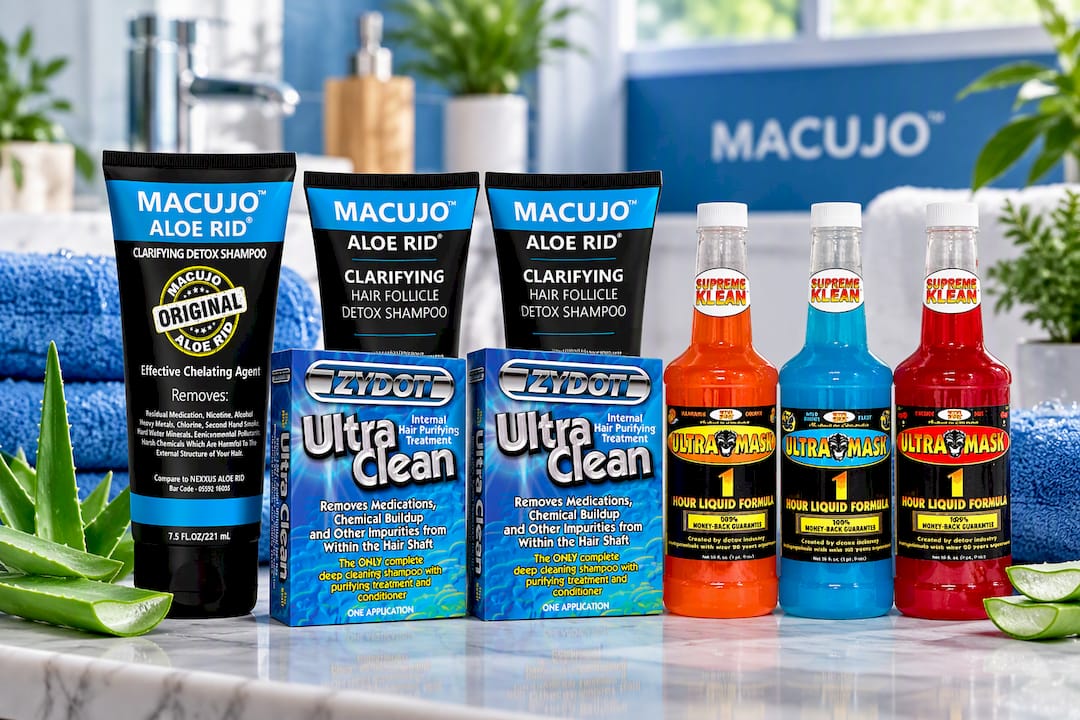
The company provides the specific Aloe Rid formula the entire protocol is built around. Generic “clarifying” shampoos marketed for detox do not replicate the tested formulation, so the reduction data behind this method does not transfer to substitute products. If you’re also managing a urine or saliva screening alongside a hair test, the Supreme Klean Ultra Mask Detox Drink and the site’s broader hair, urine, and saliva test product selection cover that separately.
Here’s the honest breakdown of when to buy versus when to call. If your wash count from the required-washes calculator is straightforward and your hair is untreated, ordering product and following the schedule is usually enough. If your timeline is under 48 hours, your hair is chemically treated or in dreadlocks, or you’re unsure how frequency of use factors into your schedule, book the Afterhours Personal Consultation before you start washing, not after.
Your 72-hour checklist: run your numbers through the calculator today, place your product order immediately so shipping doesn’t eat into your wash window, schedule a consultation if your situation has any complexity, and avoid any further exposure to the substance in question until your test is complete. Browse the full Aloe Rid product line if you need to confirm which formula matches your kit.
Sources
- Manipulation of THC Hair Concentrations by Commercially Available Products - PMC
- A systematic investigation of forensic hair decontamination procedures and their limitations
- Interpretation improvements using hair/wash comparisons (cocaine exposure study)
FAQ
Can a Hard Water Hair Detox Protocol Actually Pass a Follicle Test?
A methodical protocol like Mike’s Macujo Method, run with authentic Macujo Aloe Rid shampoo for the required wash count, has a client-reported success rate above 99% when completed correctly. Results still depend on the substance involved, your hair type, and how recently you used, so no method offers an absolute guarantee.
How Many Washes Do I Actually Need?
The number depends on three factors: the substance used, your date of last use, and how frequently you used over the past 90 days. Mike’s Required Washes Calculator uses those inputs to generate a specific schedule rather than a generic guess.
Will Labs Know If I Used a Detox Shampoo?
Forensic literature confirms that routine lab workflows currently have no standardized way to detect extensive washing, and visual inspection often can’t catch it either. Labs instead rely on wash/hair ratio analysis and metabolite confirmation to flag likely contamination.
What’s the Difference Between the Old Macujo Method and Mike’s Macujo Method?
The old Macujo Method was designed for low-to-moderate THC exposure and offers only temporary masking, with an estimated 90% success rate for moderate use. Mike’s Macujo Method, launched in 2018, is a full nine-step protocol built for high THC levels and other drugs or alcohol, with a client-reported success rate above 99% when every step is followed correctly.
Should I Book a Consultation Instead of Doing This Myself?
If your test is under 48 hours away, your usage was heavy or recent, or your hair is chemically treated or in dreadlocks, a consultation catches scheduling mistakes that cost time you don’t have. Macujo offers an Afterhours Personal Consultation for $100 for exactly these situations.
Does a Regular Clarifying Shampoo Work for a Drug Test?
No. Clarifying shampoos remove mineral buildup sitting on the outside of the hair shaft, while drug metabolites are incorporated deep inside the keratin structure. A generic clarifying formula has no meaningful effect on metabolite concentration, which is why a purpose-built protocol using authentic Aloe Rid shampoo is necessary.