Last Updated on November 18, 2026
If you have an amphetamine hair test coming, the useful move is a cleansing plan built around your own use history, not a generic routine. Hair tests look back about 90 days, so the number of washes you need depends on what you used, when you last used it and how often you used it in that window. Mike’s Macujo Method is a nine-step process that we developed for exactly this kind of exposure, and it is completed with Macujo Aloe Rid® Shampoo. When every required wash and direction is completed correctly, the method has a reported success rate of better than 99%.
Below is what the lab actually measures, how long amphetamine stays in hair, what a prescription changes, and how to plan the days you have left.
TL;DR
- A hair test looks back up to 90 days, and amphetamine labs commonly screen at 300 pg/mg or 500 pg/mg, so the goal is a plan matched to your history, not a one-size routine.
- Our required-washes calculator uses three inputs: the substance, the date of last use and how often you used during the previous 90 days.
- Mike’s Macujo Method is a nine-step process completed with authentic Macujo Aloe Rid® Shampoo, with a reported success rate of better than 99% when every required wash and direction is completed correctly.
- If you take prescribed Adderall or another amphetamine medication, a positive result goes to a Medical Review Officer in regulated testing. Keep your prescription ready and never stop a prescribed medicine without your doctor.
- Home dye, bleach and repeated ordinary washing damage hair and change results only modestly, so they are a poor substitute for a test-specific method.
Table of Contents
- What an amphetamine hair test actually measures
- How long amphetamine stays in hair
- Why a generic approach falls short
- How Mike’s Macujo Method plans your washes
- A worked example
- If you take prescribed Adderall
- What changed recently in U.S. testing
- Promo: get a plan for your test
- Our perspective
- FAQ
- Sources
What an amphetamine hair test actually measures
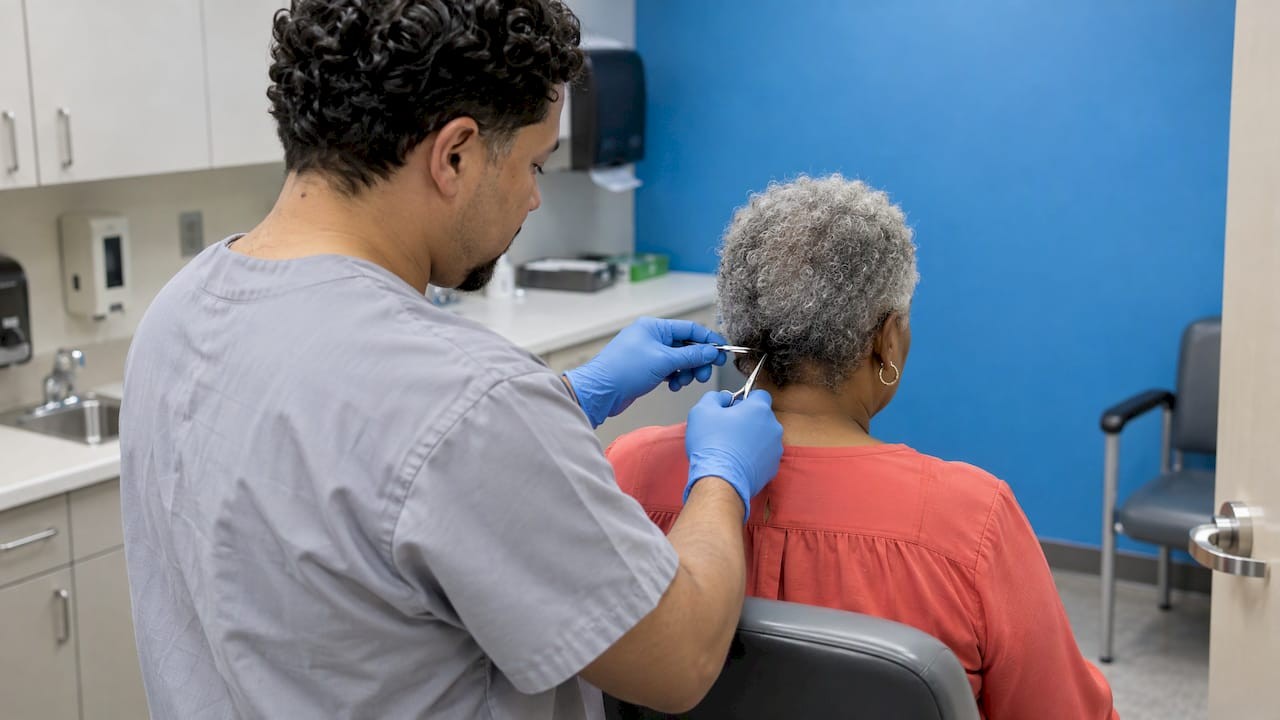
A lab cuts a small lock of hair close to the scalp. Labcorp, one of the largest U.S. testing labs, collects about 100 milligrams of hair, roughly 90 to 120 strands. Quest Diagnostics describes a lock about 1 cm wide taken from the back of the head below the crown, and says its panel covers amphetamines (amphetamine, methamphetamine, MDMA and MDA), opiates, cocaine, marijuana metabolite and PCP.
The lab runs two stages. An immunoassay screen, a fast chemical test that flags hair above a set concentration, comes first. Anything flagged is confirmed by mass spectrometry, a more precise method that identifies and measures the exact compound. Labcorp’s service uses this screening-then-confirmation approach, and says negative results are generally available within 48 to 72 hours, with confirmation taking up to another 72 hours.
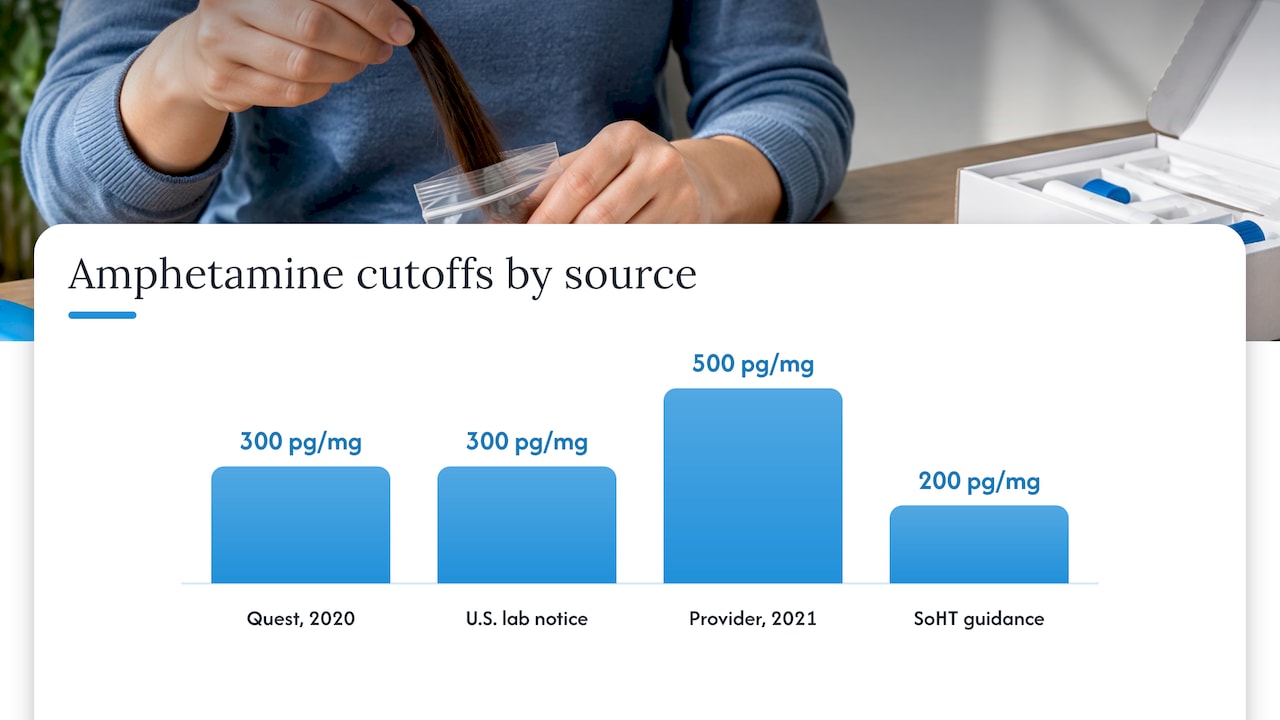
The concentration is measured in picograms per milligram of hair (pg/mg). Cutoffs vary by lab and program:
| Source | Amphetamine cutoff | Notes |
|---|---|---|
| Quest Diagnostics, 2020 solutions summary | 300 pg/mg screen and 300 pg/mg confirm | Detection window listed as 1 to 3 months |
| A U.S. hair-testing lab’s cutoff notice | Lowered from 500 to 300 pg/mg screen | Effective January 6, 2025, confirmed by mass spectrometry |
| A drug-screening provider’s 2021 list | 500 pg/mg screen and confirm | Amphetamine and methamphetamine |
| Society of Hair Testing guidance, as cited by a U.S. National Institute of Justice study | 200 pg/mg | Methamphetamine, amphetamine, 6-AM and morphine |
The spread matters. The same hair can be negative at one lab’s cutoff and positive at another’s, and cutoffs have moved down in recent years. Our page on hair test cutoff levels explains how to read the numbers, and it is worth finding out which lab your employer uses.
There is also no federal standard for hair yet. The National Safety Council’s 2026 position says that SAMHSA’s guidelines cover urine and oral fluid, and that no federally approved guidelines exist for hair testing. Each employer and lab therefore sets its own protocol.
How long amphetamine stays in hair
The standard answer is up to 90 days. Healthline notes that drugs may not show in hair until 5 to 7 days after use, and that because hair growth varies, the test cannot pin down exactly when in that period you used.
Three things explain why two people with similar habits can get different results:
- Dose and frequency. More use puts more drug into the hair. In a controlled dosing study, methamphetamine concentrations were above the 0.2 ng/mg cutoff in the first week after both dose levels.
- Hair color. The same study found that methamphetamine and amphetamine concentrations correlated closely with melanin content, the pigment in hair. A 2025 review in the Journal of Applied Laboratory Medicine adds that incorporation is pigment-dependent and white hair takes up almost no drug.
- How the drug gets in. The same review describes three routes: the blood supply to the follicle, sweat and sebum that bathe the hair shaft, and external contamination from smoke, dust or powders.
That third route is why a plan focused only on the hair strand, and not the scalp and surface, is incomplete. If you want to go deeper, our guide to scalp detox before a hair drug test covers it, and our methamphetamine hair test timeline shows why 90 days is a ceiling and not a guarantee for every person.
Why a generic approach falls short
People searching this topic often start with whatever is in the bathroom: dandruff shampoo, bleach, a box dye, or washing ten times in a weekend. The research shows why that is a gamble.
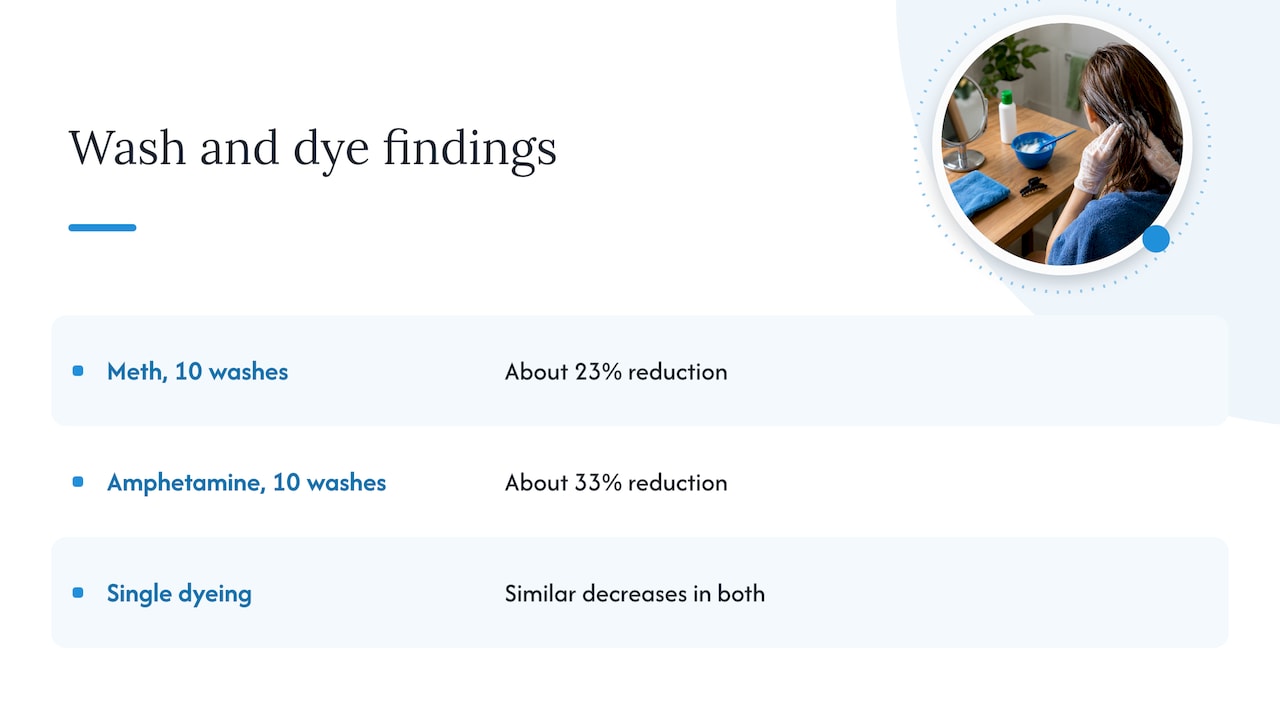
A 2011 Forensic Science International study of methamphetamine users found that washing hair ten times lowered methamphetamine by about 23% and amphetamine by about 33%, and that a single dyeing produced similar decreases. The authors concluded both treatments damage the hair. A 2023 review of sample manipulation cites the same finding. A drop of a quarter to a third is nowhere near enough when your hair sits well above a 300 pg/mg cutoff, and you pay for it in damaged hair.
Hair damage is also visible. Labs inspect for dye, and a lock that is brittle, bleached or oddly treated can raise questions on its own. A method designed for the job avoids that route: it follows a set sequence with a purpose-built shampoo instead of improvising with harsh chemicals.
How Mike’s Macujo Method plans your washes
We have helped customers prepare for hair follicle tests since approximately 1999. Mike’s Macujo Method, introduced in 2018, is our current standard. It is a systematic nine-step process developed for high THC levels and for other drugs and alcohol. It is not a one-number routine, because the right amount of work depends on your exposure.
The key tool is Mike’s Macujo Required Washes Calculator. It asks for:
- The substance. Amphetamine, methamphetamine, MDMA or another drug each has its own entry.
- The date of last use. The longer ago, the less hair carries the drug near the scalp.
- How often you used in the previous 90 days. Daily use calls for a different plan than occasional use.
The calculator returns the number of washes you need. The method is then completed with authentic Macujo Aloe Rid® Shampoo, following every direction in order. When every required wash and direction is completed correctly, the method has a reported success rate of better than 99%, and the hair stays clean unless drugs or alcohol are used again.
Two practical points follow from this:
- Start the count early. The wash total is set by your history, and the plan has to fit between now and the day of the test. If you have only days, run the calculator first so you know what is required.
- Do not confuse the two methods. The old Macujo Method was designed mainly for low-to-moderate THC exposure, has an estimated success rate of about 90% for moderate THC and provides only temporary masking. For amphetamines and heavier use, Mike’s Macujo Method is the one to follow, and it requires the authentic shampoo.
For a step-by-step view of the process for this drug class, see our guide on how to pass a hair test for amphetamines. If methamphetamine is the substance, the meth hair test guide and the methamphetamine hair test study summary go into the numbers, and ecstasy users can read about the MDMA hair test.
A worked example
Take a job applicant with a test in two weeks. They used methamphetamine about three times a week through the summer and last used 20 days ago. Here is how the plan comes together:
- They enter the substance, the date of last use and their frequency over the previous 90 days into the calculator.
- The calculator returns a required number of washes. Frequent use over the window and a recent last-use date generally mean a larger number than occasional use long ago.
- They plan the schedule backward from the test date, so every wash is completed before the appointment.
- They follow each direction of the nine-step process with Macujo Aloe Rid® Shampoo, and stop using drugs and alcohol.
- If anything in the schedule is unclear, they call us for a consultation instead of guessing.
The point is that the plan is built around the person, not copied from a forum.
If you take prescribed Adderall
Many people searching this topic take amphetamine legitimately, for ADHD, for example. A hair test detects the drug whether or not you have a prescription. In regulated testing, what happens next is a medical review. Under 49 CFR § 40.137, the DOT rule, a Medical Review Officer (MRO, a licensed physician who reviews positive results) verifies a confirmed positive amphetamine result unless the employee presents a legitimate medical explanation, such as a valid prescription. If one is found, the MRO verifies the result as negative.
An explainer from an MRO services company puts it plainly: the screen correctly detected amphetamine, and the question of whether use was authorized is decided by the MRO, not the lab, and employers receive only the verified result rather than your medical details.
In practice:
- Keep a current, verifiable prescription on hand and disclose it at the MRO interview.
- Do not stop or change a prescribed medication on your own because of a test. Talk to the prescribing doctor first.
- Know that rules differ. The DOT rule applies to DOT-regulated testing, and a private employer’s policy may be set differently, so ask HR which program applies to you.
Our page on the Adderall hair test walks through what labs and Society of Hair Testing guidelines mean for your result.
What changed recently in U.S. testing
Two updates are worth knowing. SAMHSA’s revised urine guidelines took effect February 1, 2024, with an amphetamine initial cutoff of 500 ng/mL and a confirmatory cutoff of 250 ng/mL. Those numbers apply to urine, not hair.
For hair, the federal law on commercial drivers, 49 U.S.C. § 31306, permits motor carriers to use hair testing as an acceptable alternative to urine for preemployment and, where preemployment hair testing was done, random testing. It also directs DOT to set laboratory protocols and cutoff levels for hair. If you hold or are applying for a commercial driving job, ask the employer which test they use.
Promo: get a plan for your test
If your test is close, the fastest way to a clear plan is to run the calculator and talk it through with us. Macujo Aloe Rid Old Formula Shampoo is listed at $100 to $150, and an Afterhours Personal Consultation is $100. The consultation is a personal phone call about your history and your date, with after-hours availability.
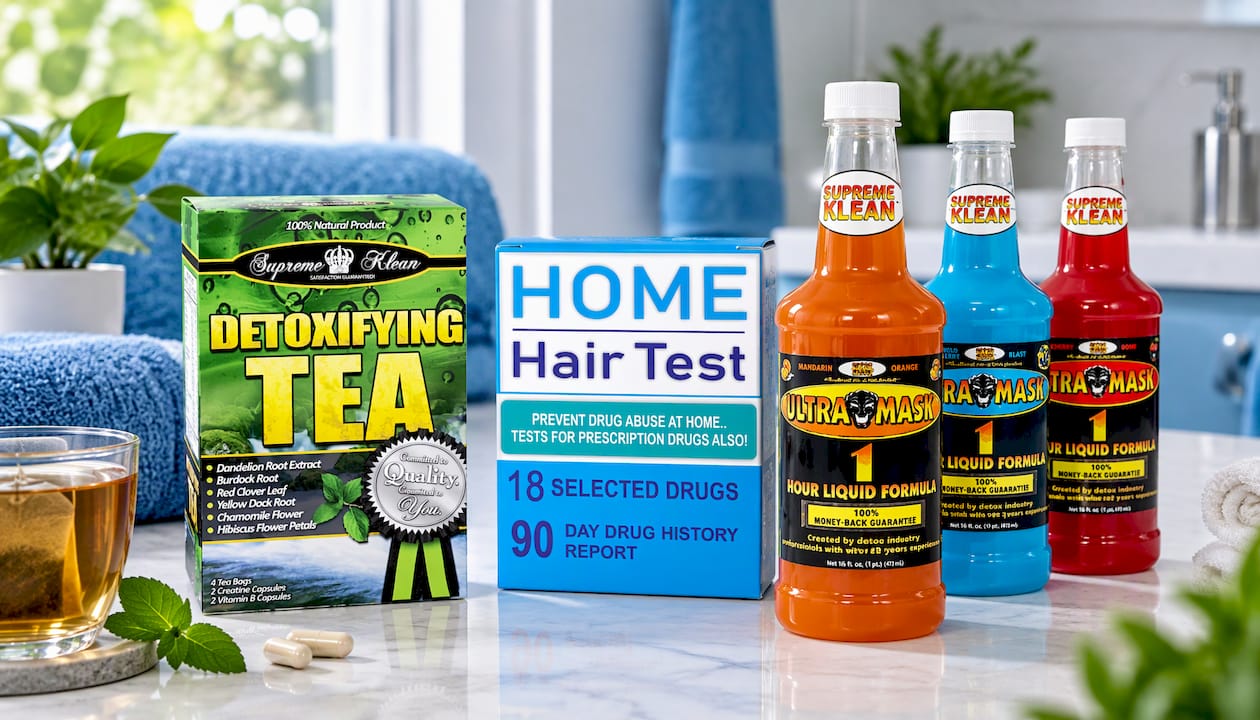
You can see the Aloe Rid shampoo or book an Afterhours Personal Consultation. If you are unsure what to ask first, our list of consultation questions to ask before a hair test and our page on what to expect from a hair drug test consultation will help you prepare. We also carry hair test kits, so you can check where you stand with a home hair test kit.
Our perspective
Most people who reach us are days from a test and have already tried something that did not fit their situation. The most common mistake is treating every exposure the same. Someone who used once a month and someone who used daily for three months need different work, and that is why we built the Required Washes Calculator around the substance, the last-use date and the 90-day frequency.
Mike built the original Macujo Method for low-to-moderate THC exposure and, after years of customer feedback, introduced Mike’s Macujo Method in 2018 for high THC levels and for other drugs and alcohol. It is nine steps, and every one matters. It must be done with authentic Macujo Aloe Rid® Shampoo, and when every required wash and direction is completed correctly, we report a success rate of better than 99%.
What we want you to take away is simple: know your number, follow the directions as written, and call us if you have a question. We offer unlimited support and after-hours phone consultation because the night before a test is when the questions come up.
MIchael
FAQ
Can you detox for a hair follicle test?
Yes. A hair test measures what is in the hair, so a test-specific cleansing method is the way to prepare. Mike’s Macujo Method uses a calculated number of washes with Macujo Aloe Rid® Shampoo, based on your substance, last-use date and 90-day frequency.
How long do I need to be clean to pass a hair follicle test?
Hair tests look back up to about 90 days, so there is no fixed number that fits everyone. The longer ago your last use, and the lighter your use, the less there is to clear. Our calculator turns your own history into a required number of washes, and abstaining from further use is part of the plan.
Will I fail a hair test if I take Adderall as prescribed?
The test can detect it, because labs detect amphetamine with or without a prescription. In regulated testing, a Medical Review Officer reviews confirmed positives and, with a valid prescription, can verify the result as negative under the DOT rule. Keep your prescription current and ready, and ask your employer which testing program applies.
What is the best shampoo for a hair follicle drug test?
For amphetamines, we recommend Macujo Aloe Rid® Shampoo used within Mike’s Macujo Method, because the nine-step process is built around it and requires the authentic product. The number of washes comes from the calculator. Do not swap in a different product partway through the process.
Does hair dye or bleach help before a test?
Research shows a single dyeing produced decreases in methamphetamine and amphetamine similar to ten repeated washes, about a quarter to a third, and the study concluded both damage hair. That is a modest change for visible damage, which is why we recommend a purpose-built method instead.
Sources
- Labcorp: Hair Follicle Drug Testing
- Quest Diagnostics: Hair Drug Screening Facts
- Quest Diagnostics: Drug Testing Solutions At-A-Glance
- Hair drug test cutoff notice, effective January 6, 2025
- Standard drug testing cut-off levels, 2021
- National Institute of Justice: Analysis of Drugs of Abuse in Human Hair
- National Safety Council: Alcohol, Drugs and Impairment Division position
- Healthline: Hair Strand Drug Test
- Incorporation of methamphetamine and amphetamine in human hair
- Review on Toxicology Testing in Hair, JALM 2025
- Effects of repeated hair washing and a single hair dyeing, Forensic Science International
- Advances in testing for sample manipulation in clinical and forensic toxicology
- 49 CFR § 40.137
- American Screening Corp: Adderall and MRO review
- Federal Register: Mandatory Guidelines for Federal Workplace Drug Testing Programs
- 49 U.S.C. § 31306