Last Updated on October 13, 2026
Yes, laboratories can use eyebrow and other facial hair for a drug test when scalp hair is not available, but the results work differently than a standard scalp hair test. Instead of a precise month-by-month timeline, facial hair testing gives a broader overview of recent drug exposure. Collection protocols and interpretation guidance from forensic toxicology groups shape how much weight a lab can put on that result.
TL;DR:
- Scalp hair grows about 1 centimeter monthly and can be segmented to estimate roughly 90 days, while facial hair usually cannot support reliable dating.
- Certain body hair samples may reflect exposure for up to 12 months, but the window varies by site, growth rate, hair care, and growth phase.
- Because facial hair contains more dormant follicles, labs usually test it as one unsegmented sample and interpret findings more cautiously than scalp hair.
- Bleaching or dyeing can lower measured drug concentrations, while environmental residue may raise them, so disclose treatments and heavy product use during collection.
- Labs need site specific reference ranges for facial hair and should document the collection site, since concentration patterns differ from scalp hair.
Table of Contents
- How hair drug testing actually works
- Can eyebrow and other facial hair be used for a drug test? What labs actually do
- Detection window: eyebrow and facial hair versus scalp hair
- Key factors that change eyebrow and facial hair results
- What to expect during collection and lab documentation
- Where our experience fits when facial hair is the only option
- A practical take on facial hair testing uncertainty
- Get ready before your test date arrives
- FAQ
- Sources
How hair drug testing actually works
Drugs enter hair through blood vessels at the follicle, along with sweat and sebum that reach the shaft as it forms. Once inside, drug compounds bind to keratin and melanin in the hair structure, which is why darker, more pigmented hair can sometimes retain higher concentrations than lighter hair. You can read a fuller breakdown of this process in our explainer on how hair drug testing actually works.
Hair testing is fundamentally qualitative. It tells a lab whether a substance is present above a cutoff level, not exactly how much was used or precisely when. A review of hair analysis methods concludes that hair is best treated as a qualitative indicator of exposure rather than a dosing calculator.
Standard lab workflow follows a consistent pattern:
- Wash and decontaminate the sample to remove surface residue before testing.
- Screen the washed sample for the presence of target substances.
- Confirm any positive screen using mass spectrometry.
- Segment scalp hair into sections to estimate a rough timeline, when the sample allows it.
Can eyebrow and other facial hair be used for a drug test? What labs actually do
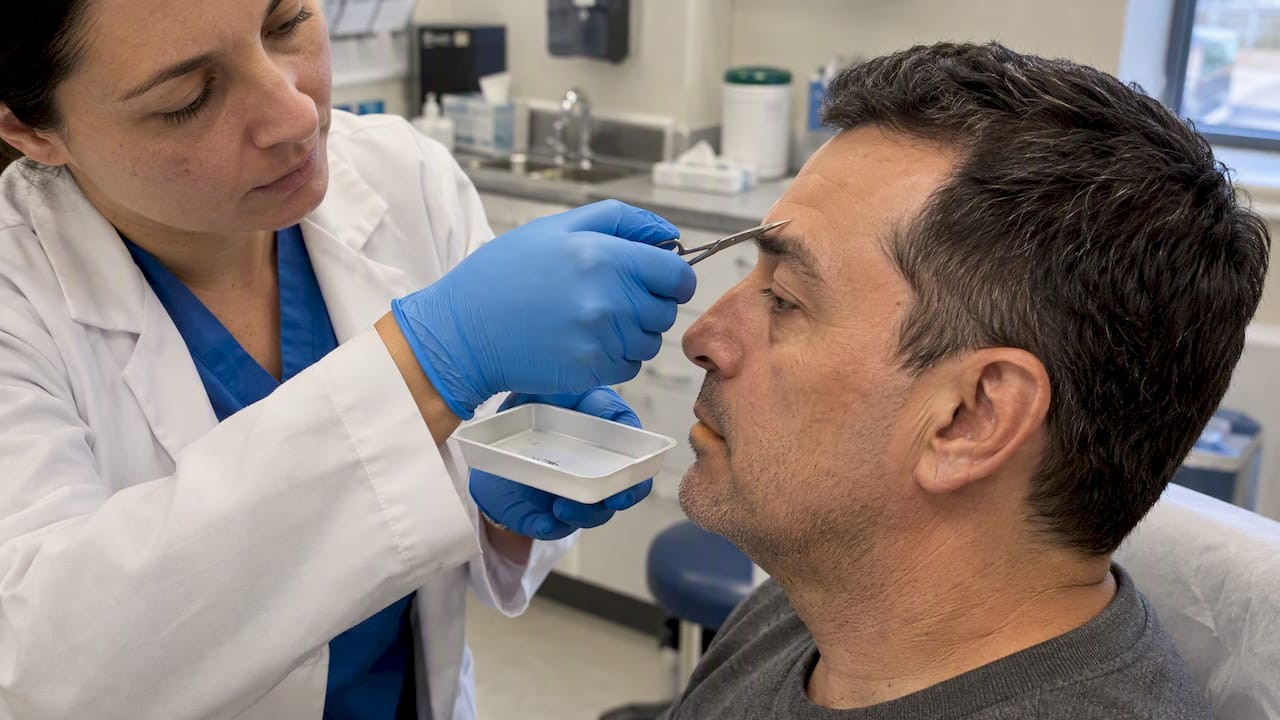
Labs regularly accept eyebrow hair, beard hair, and other body hair when a donor has no usable scalp hair, whether from shaving, baldness, or medical hair loss. The practice is established enough that forensic toxicology bodies have published specific guidance on how to interpret it.
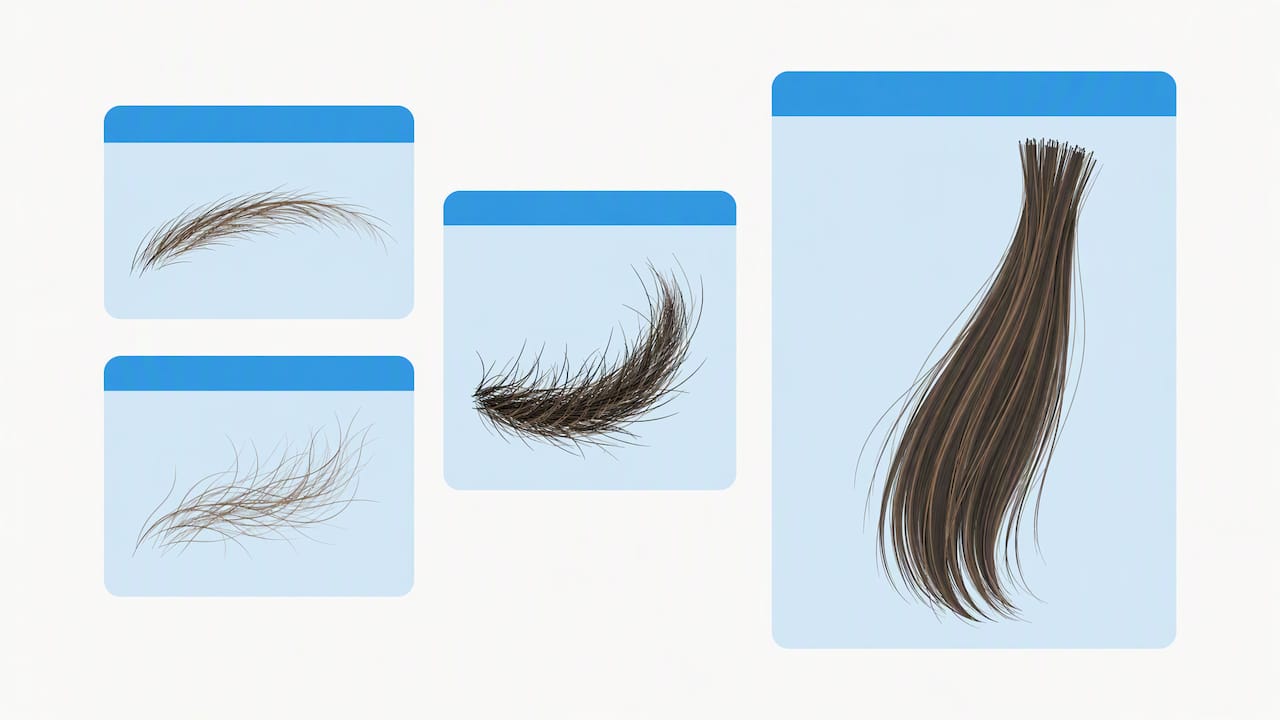
The Society of Hair Testing consensus notes that body hair, including facial hair, carries a higher proportion of dormant (telogen) follicles than scalp hair. That mix of growth phases makes segmentation unreliable, so labs are instructed to document the collection site clearly and interpret results with more caution than they would a scalp sample.
Key practical differences in how labs handle facial hair samples:
- Eyebrow and beard hair are often collected by weight rather than by a set length, since individual hairs are short.
- The sample is treated as a single, unsegmented unit in most cases.
- Documentation of the exact collection site becomes part of the chain of custody.
Large analyses found measurably different concentration patterns between head and body hair, which is why large laboratory datasets recommend site-specific reference ranges instead of applying scalp hair cutoffs to facial hair results.
Detection window: eyebrow and facial hair versus scalp hair
Scalp hair grows at a fairly predictable rate, commonly estimated near 1 centimeter per month, which lets labs segment a sample and approximate drug use within roughly the past 90 days for many testing programs.
Facial and body hair do not follow that same clean pattern. Growth rates vary more by individual and by body site, and the higher telogen fraction mentioned in the SoHT consensus means a single facial hair sample can reflect drug exposure spread across a much longer stretch of time. Some lab practice and research treat body hair as capable of showing a window reaching toward 12 months in certain samples, well beyond what a 90-day scalp segment would suggest.
A few points shape how wide that window actually is for any given test:
- The specific body site sampled affects both concentration and growth pattern.
- Whether the lab can segment the sample at all changes how precise any estimate can be.
- Individual hair growth rate and hair care history both shift the picture.
Because of this variability, a facial hair result is read as a general indicator of past use rather than a dated event.
Key factors that change eyebrow and facial hair results
Several variables can shift what a facial hair test actually shows, and understanding them helps explain why two people with similar drug histories might get different-looking results.
- Cosmetic treatments: bleaching and dyeing can measurably reduce analyte concentrations in hair, which we cover in detail in our piece on dyed hair and drug test outcomes.
- External contamination: environmental exposure to smoke or residue can deposit drug compounds on the hair surface, which is why validated laboratory washing before testing matters so much.
- Growth phase and melanin: a higher telogen proportion in facial hair, combined with melanin binding differences, can make concentrations harder to compare directly against scalp hair norms.
- Lab-to-lab variability: without uniform cutoffs for non-head hair, two labs can reasonably interpret a similar sample somewhat differently.
Pro Tip: If you know your sample will be facial or body hair, mention any recent bleaching, dyeing, or heavy product use to the collector, since that context can affect how a lab interprets borderline results.
What to expect during collection and lab documentation
Facial hair collection follows its own set of practical steps, distinct from a standard scalp pull.
- The collector cuts hair as close to the skin as possible and keeps the root end aligned and identified.
- Because individual hairs are short, the sample is often gathered by weight rather than a fixed length.
- The exact collection site, such as eyebrow or beard, gets documented as part of the chain of custody.
- Any visible cosmetic treatment or unusual hair condition is noted before the sample is sealed.
- The lab screens the washed sample first, then confirms any positive result using mass spectrometry.
- Wash data from the decontamination step is retained, since it supports the final interpretation if a result is challenged.
This documentation matters because a facial hair sample carries less built-in context than a segmented scalp sample, so the paperwork around it does more of the interpretive work.
Where our experience fits when facial hair is the only option
We have experience with hair follicle drug testing, which means we have seen how differently labs and employers treat non-scalp samples over the years. When scalp hair is not available, a few of our resources become directly relevant:
- Our Home Hair Test kit lets you check your own status before an official test, regardless of which body site you expect to be sampled.
- Macujo Aloe Rid Old Formula Shampoo is built around the kind of high-toxin-level cleansing that imminent testing situations call for.
- We offer a personal consultation service to discuss your specific sample type and testing timeline.
- Our required washes calculator factors in substance, last use date, and frequency over the past 90 days to tailor a protocol rather than guess at one.
When a test depends on facial or body hair, matching the right preparation to the actual sample type matters more than following generic advice.
A practical take on facial hair testing uncertainty
Facial hair testing is real and labs use it, but the broader detection window and looser interpretation standards cut both ways. You should not assume a facial hair test is easier to pass just because it lacks precise timing, and you should not panic over it either. Objective verification, through a home test or a direct conversation with someone who handles these cases daily, beats guessing every time a test date is close.
— MIchael
Get ready before your test date arrives
If your test is coming up and you are not sure whether scalp, facial, or body hair will be collected, checking your status first removes the guesswork. Our Home Hair Test kit gives you a private read on where you stand before you walk into an official collection.
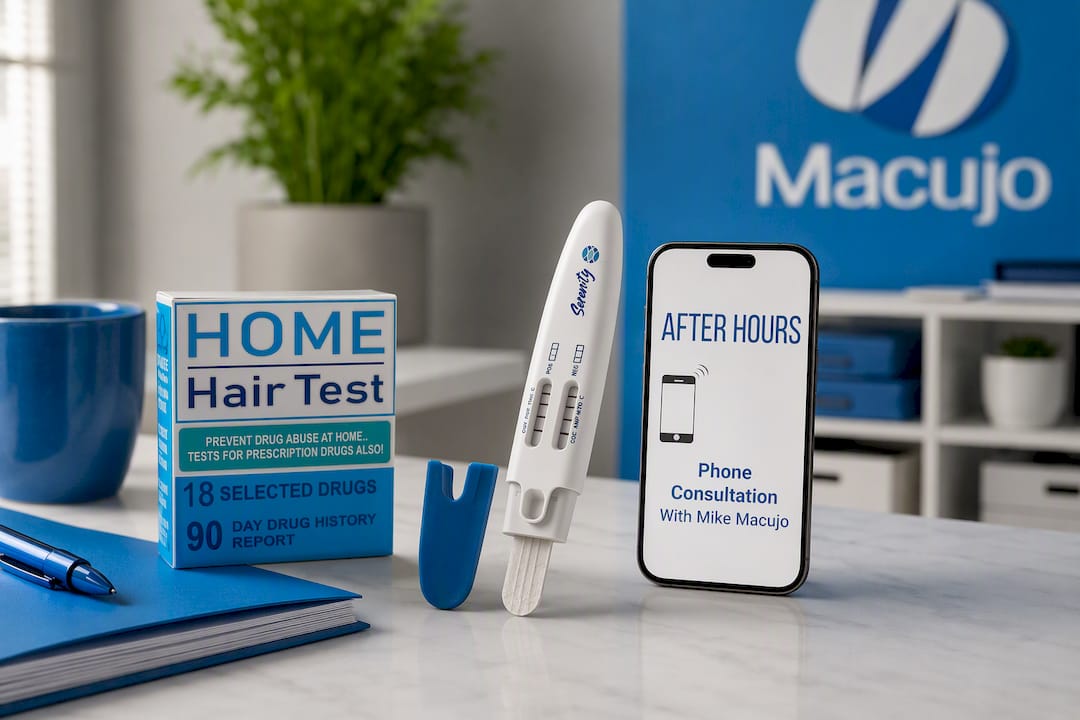
For situations that are more complicated, such as a tight timeline, an unusual substance history, or uncertainty about which body site will be sampled, our Afterhours Personal Consultation puts you in direct contact with someone who can walk through your specific situation and recommend a protocol that fits it.
- Use the Home Hair Test kit when you want a private, upfront read on your current status.
- Book an Afterhours Personal Consultation when your timeline, substance history, or sample type adds complexity.
- Pair either option with Macujo Aloe Rid Old Formula Shampoo if your results call for a cleansing protocol before test day.
Start with whichever option matches how much time you have left before your appointment.
FAQ
Can they use eyebrow hair for a drug test?
Yes, labs can and do use eyebrow hair when scalp hair is unavailable, typically collecting it by weight since individual hairs are short. The SoHT consensus notes that results from eyebrow hair are interpreted more cautiously than scalp hair because segmentation is unreliable.
How do you prepare for a facial hair drug test?
Preparation starts with understanding that facial hair cannot be segmented into a precise timeline, so general exposure over a longer period matters more than a single recent event. Checking your status with a home hair test kit before the official collection gives you a clearer picture than guessing.
How long do drugs stay detectable in facial hair?
Facial and body hair often reflect a broader detection window than scalp hair’s common 90-day estimate, with some lab practice treating body hair samples as capable of showing exposure from up to around 12 months in certain cases. The exact window depends on the specific body site, individual growth rate, and whether the lab can segment the sample at all.
What can cause an inaccurate hair follicle test result?
Cosmetic treatments like bleaching and dyeing can measurably lower analyte concentrations, and external contamination from environmental exposure can raise them if a lab’s wash protocol is not thorough. Growth-phase differences and a lack of uniform cutoffs for non-head hair samples also contribute to variability between labs.
Sources
- General Consensus: Hair testing – SoHT (2022)
- Concentration ranges and positivity rates for drugs in head and body hair — PubMed (2023)
- Effects of external contamination and cosmetic treatments — RSC book chapter
- Methodological and practical issues in hair analysis — Journal of Analytical Toxicology