Last Updated on October 10, 2026
A hair follicle test can detect occasional marijuana use, but the odds are lower than for regular smokers. A University of Bristol study found THC in hair for 77% of heavy users but only 39% of light users. Labs like LabCorp and Quest Diagnostics typically test a 90-day window, with results showing up 5 to 10 days after use.
TL;DR:
- Standard tests analyze a 1.5 inch scalp segment, representing roughly 90 days; body hair grows unevenly and can reflect a longer, less precise period.
- Use within the week before collection may not appear in new growth, while exposure three to ten weeks earlier falls within the tested segment.
- Higher doses and darker, coarser hair can increase detection, while bleaching may reduce measured compounds without making a negative result reliable.
- Before testing, confirm the sample type, requested hair length, and collection date; disclose lawful or medical cannabis use and ask about accommodation policies.
- No quick shampoo or single rinse has been shown to reliably clear a test, and shaving your head may lead collectors to use body hair.
Table of Contents
- How hair tests detect THC
- How likely is detection for occasional or one-time use?
- Factors that change your personal detection risk
- Debunking common myths about hair testing
- What to do when you have a scheduled hair test
- What Mike’s Macujo Method offers for high-stakes testing
- Smoking versus edibles: different paths, different windows
- How THC gets into hair after occasional use
- Timing and wash recommendations for occasional smokers
- Dyed or bleached hair and testing variability
- Reading your risk clearly, not hopefully
- How Macujo can help you prepare with clarity
- FAQ
- Sources
How hair tests detect THC
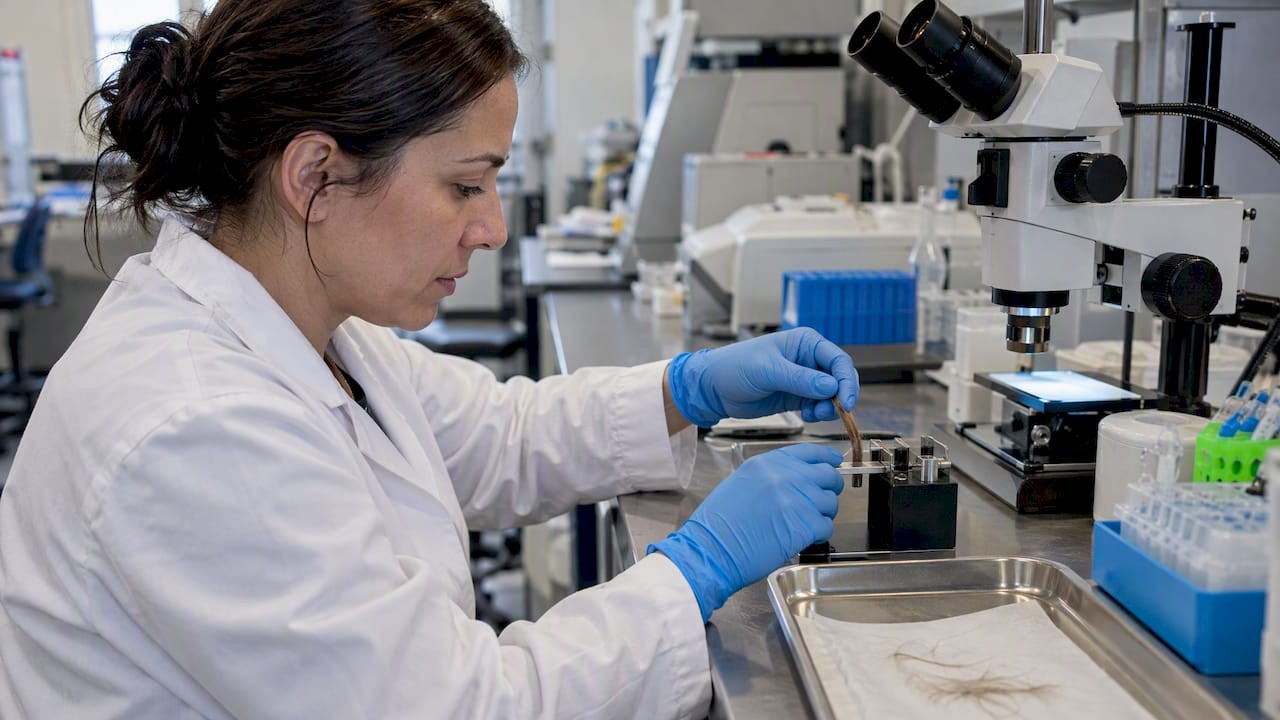
THC and its metabolites travel through your bloodstream and bind into the hair follicle as the strand grows, leaving a rough timeline embedded in the shaft. Head hair grows at an average rate of about half an inch per month, which is why a 1.5-inch segment taken close to the scalp represents roughly 90 days of history. That segment, not the full length of your hair, is what gets tested.
Collection matters more than people expect. Technicians mark the root end, cut close to the scalp, and store the sample in foil to preserve chain of custody. A typical collection uses 90 to 120 strands.
Labs run two stages:
- A screening test flags any sample above a low threshold, catching possible positives quickly.
- A confirmation test, usually mass spectrometry, verifies the screen and rules out false positives.
Quest Diagnostics documents sensitive screening and confirmation thresholds for cannabinoids, built to catch recurring patterns of use rather than a single exposure. Hair testing was never designed to pinpoint an exact date. It estimates a pattern over a stretch of months, which is why occasional use sits in a gray zone.
How likely is detection for occasional or one-time use?
The clearest answer comes from peer-reviewed comparison data rather than guesswork. The University of Bristol study compared self-reported cannabis consumption against hair analysis across heavy, light, and non-users. Light users tested positive only 39% of the time, despite having used the drug.
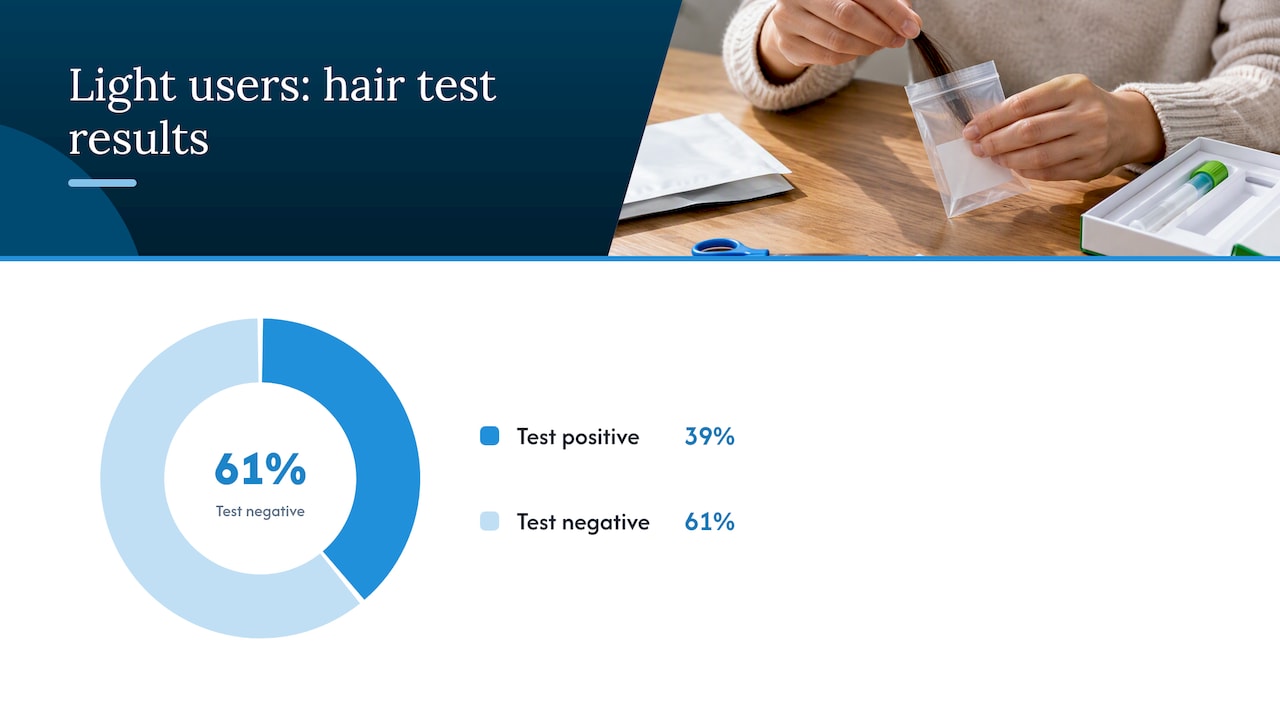
That gap tells you two things: hair testing is a strong tool for catching regular or heavy use but is a weak, inconsistent tool for catching occasional use. Quest Diagnostics frames hair testing the same way internally: it reads as a pattern detector, best suited to flagging habitual use rather than proving a single incident occurred.
Detection for a one-time or light exposure is possible, but it depends on factors stacking in a particular direction:
- A high-dose session close to the sample collection date raises detection odds.
- A small, isolated use weeks before the test lowers detection odds significantly.
- Hair closest to the scalp carries the most recent exposure; older growth dilutes the signal.
Picture two scenarios. In the first, someone smokes heavily at a single event three weeks before testing, inhaling repeatedly over several hours. In the second, someone takes a single puff at a party two and a half months before the test. The first scenario carries a meaningfully higher chance of a positive result, even though both are technically “one-time” events, because total exposure and timing both drive what ends up embedded in the hair. Detection is a probability shaped by dose and timing, not a guaranteed outcome either way.
For a deeper look at this exact question, our breakdown of whether a hair follicle test can catch one-time use walks through more real-world examples.
Factors that change your personal detection risk
No two situations carry the same risk. A handful of variables push the odds up or down, often by a wide margin.
- Dose and potency: A larger amount of THC entering your bloodstream means more compound available to bind into hair during growth, since incorporation tracks with the overall drug exposure in your blood over time.
- Timing relative to the sample: Because detection has a 5 to 10 day latency before it reliably shows up in new growth, use within the last week before testing may not register at all, while use from 3 to 10 weeks prior sits squarely inside the tested window.
- Hair pigmentation and texture: Darker, coarser hair tends to bind cannabinoids more readily than finer or lighter hair, which can skew results across individuals with identical use patterns.
- External contamination: Heavy secondhand smoke exposure or direct handling of cannabis can deposit trace compounds onto the hair surface without any actual consumption.
- Sample location: Body hair grows more slowly and unevenly than head hair, so a body-hair sample can reflect a much longer, less precise history than a head-hair sample; our guide to body hair drug testing windows covers how that timeline shifts.
- Lab cutoffs: Screening and confirmation thresholds set by labs determine how small a trace has to be before it counts as a positive.
Industry-level cutoffs used in hair testing for cannabinoids are set deliberately low, which is part of why even light or occasional use carries some risk of detection despite the lower overall odds shown in peer-reviewed research.
Debunking common myths about hair testing
A lot of bad advice circulates about beating or avoiding a hair test. Most of it does not hold up against the actual research.
- Secondhand smoke causes false positives: ordinary passive exposure, like sitting in a room where someone smoked once, is unlikely to produce a positive result on its own. Prolonged, close-range exposure is a different story. Scientific Reports found that cannabinoids can appear in hair through external contamination routes like handling, sebum transfer, or heavy smoke exposure, even without consumption.
- Shaving your head avoids the test: collectors are trained to use body hair when head hair is unavailable, and showing up freshly shaved often raises suspicion rather than avoiding a sample altogether.
- A quick store-bought shampoo guarantees a clean result: confirmation testing with mass spectrometry is built specifically to catch masking attempts that pass a basic screen, and there is no mainstream peer-reviewed evidence backing a fast, universally reliable one-time detox product.
Pro Tip: Treat any product claiming to “beat” a hair test overnight with skepticism. Thorough, repeated cleansing over time has far more support than a single-use rinse.
What to do when you have a scheduled hair test
Preparation works better than panic. If you know a test is coming, a few concrete steps put you in a stronger position.
- Confirm the test type, the sample length requested, and the exact date with whoever is requesting it, since a shorter segment narrows the detection window.
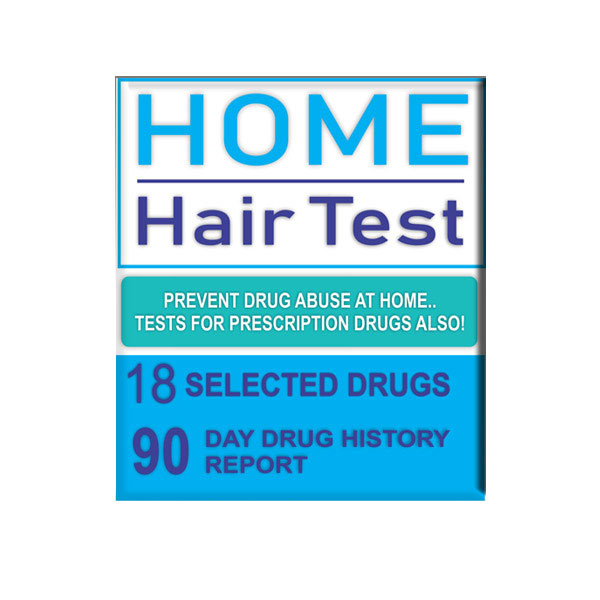
- Consider using a Home Hair Test kit before the official appointment to get a private read on where you stand.
- If your concern is recent use rather than something weeks old, know that urine and oral fluid tests cover a much shorter window than hair, often just a few days, so a 12-panel oral fluid saliva test can be a useful cross-check for very recent exposure.
- Document any lawful or medical cannabis use ahead of time and ask your employer or testing agency about accommodation policies that may apply.
- If the stakes are high and your timeline is tight, an Afterhours Personal Consultation gives you a chance to talk through your specific situation with someone who can calculate a tailored wash plan.
What Mike’s Macujo Method offers for high-stakes testing
Mike’s Macujo Method is a nine-step cleansing process built for situations involving high THC exposure, along with other drugs and alcohol. It relies on authentic Macujo Aloe Rid Old Formula Shampoo and a required-washes calculator that factors in the substance involved, your last use date, and your frequency of use over the past 90 days.
This approach targets people facing an imminent or high-stakes test who want a structured, repeatable process rather than guesswork. We recommend running an at-home pre-test first to see where you actually stand before starting the wash protocol. Our in-depth guide to the method walks through each step in detail.
Smoking versus edibles: different paths, different windows
Smoked cannabis and edibles both introduce THC into your bloodstream, but they get there differently, and that affects how hair testing picks them up. Smoking delivers THC almost immediately through the lungs, producing a fast, sharp spike in blood concentration. Edibles are absorbed through digestion, which spreads the exposure out over a longer, slower curve with a delayed peak.
For hair testing purposes, what matters most is total bloodstream exposure over the growth period, not the delivery method itself. A single edible with a strong dose can still deposit detectable THC into new hair growth, just as a single smoking session can. The 90-day window and the 5 to 10 day latency before detection apply regardless of how the THC entered your system.
Where the two can diverge is in secondary cannabinoid metabolites, since digestion changes how THC is processed by the liver compared to inhalation. The practical takeaway for an occasional user stays the same either way: timing and total dose drive your detection risk more than whether you smoked or ate your way to that exposure. For more detail on this comparison, our piece on whether edibles show up on a hair follicle test breaks down the metabolic differences further.
How THC gets into hair after occasional use
When you smoke, THC crosses from your lungs into your bloodstream within minutes. From there, it circulates through tiny blood vessels that feed the hair follicle at the base of each strand. As the follicle produces new hair cells, trace amounts of THC and its metabolites get incorporated into the structure of the growing shaft.
For an occasional user, this process happens just the same as it would for a regular user, only with far less total compound circulating through the bloodstream to begin with. That lower total exposure is the central reason light users test positive less often: there is simply less THC available to bind into the hair during the relevant growth window. Peer-reviewed research comparing heavy and light users reflects exactly this dynamic, with detection rates scaling down sharply alongside use frequency.
It also means the new growth closest to your scalp reflects your most recent exposure, while hair further from the scalp reflects older activity. A single, light use several weeks before a test produces a much fainter, more easily missed signal than a heavier pattern repeated over those same weeks.
Timing and wash recommendations for occasional smokers
If you used marijuana occasionally and have a test on the calendar, your plan should account for how light your actual exposure was rather than assuming you need the heaviest possible protocol. Someone who smoked once three weeks ago is working with a very different risk profile than someone who smoked weekly for the past three months.
The required wash count depends on factors like your last use date and frequency over the prior 90 days, which often means an occasional user’s required wash count is lower than a daily user’s. Running the numbers through the calculator before buying a full kit helps you avoid over-treating or under-treating your hair relative to your actual use.
Timing also plays a role beyond just the wash count. Starting a wash routine as early as possible after you know a test is scheduled gives any protocol more cycles to work with, since cleansing is a cumulative process rather than a one-time fix. Waiting until the day before a test leaves far less room for a thorough routine to do its job properly.
Dyed or bleached hair and testing variability
Hair treatments change the physical structure of the strand, and that has a real effect on how cannabinoids bind and how labs read results. Bleaching in particular opens the hair cuticle and can degrade some of the compounds bound inside, which some research has linked to lower detected concentrations in treated hair compared to untreated hair from the same person.
Dyeing has a less dramatic but still measurable effect, since repeated coloring processes can also disrupt the outer hair structure over time. For an occasional user whose total THC exposure was already on the lower end, any treatment-related reduction in detectable compound could matter more than it would for a heavy user with a larger total exposure to begin with.
None of this makes chemically treated hair a reliable way to avoid detection, and labs are aware that treatment can affect results. The practical point for an occasional user is that hair history, not just current treatment status, factors into how a lab and an employer may interpret a borderline result.
Reading your risk clearly, not hopefully
Hair tests read patterns, not dates. The honest takeaway from the research is that occasional use creates real uncertainty, not a guaranteed pass or fail. If the outcome matters to you, confirm your facts: run a home test, document any legal use, and talk to someone before you assume anything.
— MIchael
How Macujo can help you prepare with clarity
We built our tools for exactly this kind of uncertainty. A Home Hair Test kit lets you check your actual status in private before an official test puts you on the spot, and our Afterhours Personal Consultation gives you a real conversation about your specific use history and a tailored required-washes calculation.
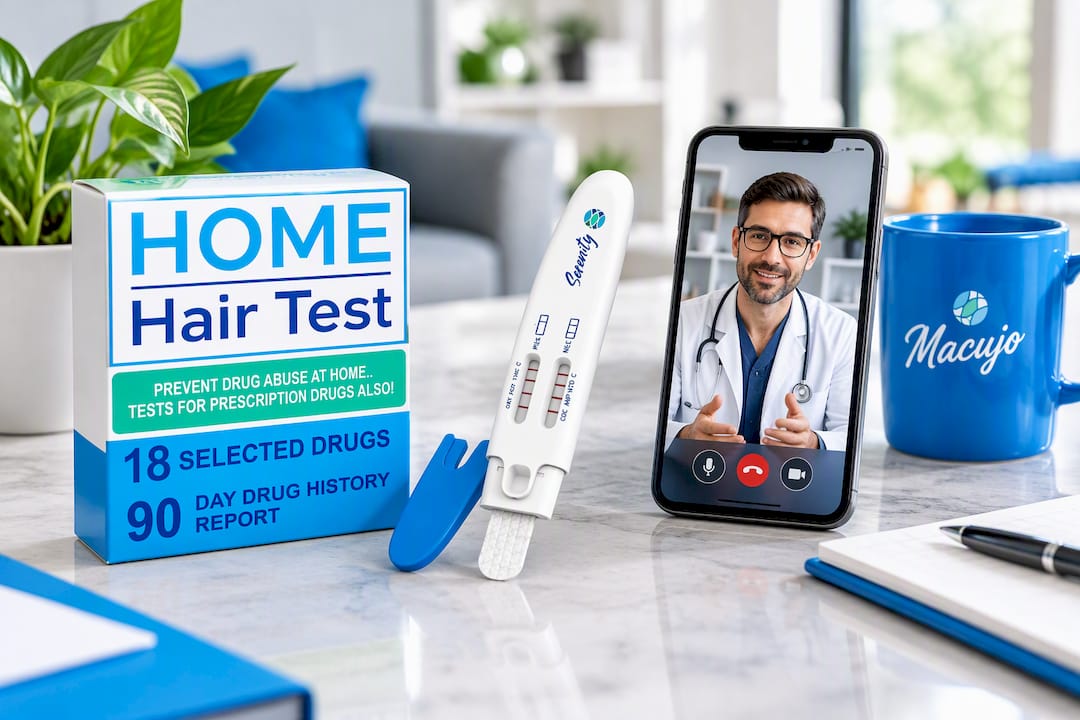
- Check where you stand privately with a Home Hair Test kit before your official appointment.
- Get a tailored wash plan and direct answers through an Afterhours Personal Consultation.
- Browse hair, urine, and saliva test products if you need to confirm results across more than one test type.
If your test is coming up soon, start with the home kit so you know your real numbers before deciding on next steps.
FAQ
Can a hair test detect occasional marijuana use?
Yes, but less reliably than for regular users. A University of Bristol study found detection in only 39% of light users compared to 77% of heavy users.
How far back does a hair follicle test look?
Standard hair tests use a 1.5-inch scalp segment, which typically represents about 90 days of history. Head hair grows at roughly half an inch per month, which is how that window is calculated.
Do edibles show up on a hair test the same way smoking does?
Both introduce THC into your bloodstream, and what matters for hair testing is total exposure over the growth period rather than how the THC was consumed. Our detailed comparison of edibles and hair follicle testing covers the metabolic differences in more depth.
Can secondhand smoke cause a positive hair test?
Ordinary, brief passive exposure is unlikely to cause a positive result on its own. Scientific Reports found that prolonged or close-range exposure can deposit detectable cannabinoids onto hair through contamination, separate from actual use.
How soon after use does marijuana show up in hair?
There is typically a delay of 5 to 10 days between use and when it becomes detectable in new hair growth. Use within that window before a test may not register at all.
Sources
- Hair Follicle Drug Testing: Process & Benefits | Labcorp
- Hair testing process and certifications | Quest Diagnostics
- Comparison of cannabinoids in hair with self-reported cannabis consumption in heavy, light, and non- cannabis users | University of Bristol
- Finding cannabinoids in hair does not prove cannabis consumption | Scientific Reports
- Hair strand drug test: How it works, uses, and what to expect | Healthline