Last Updated on October 7, 2026
A failed hair test usually means the lab detected drug metabolites consistent with exposure sometime in recent months, though contamination or a lab error can occasionally produce the same result. The first move is not panic: it is contacting the Medical Review Officer to request a verification interview and gathering any prescriptions or medical records that might explain the finding. Everything below walks through why results happen, how labs interpret them, and what realistic remediation looks like.
TL;DR:
- Hair test results reflect drug exposure over approximately three months, but do not specify the exact day of use, which complicates interpretation.
- Non-active exposure, such as contamination or cosmetic treatments, can result in positive hair test findings, especially with darker, melanin-rich hair types.
- Labs analyze metabolite ratios and wash-to-hair ratios to distinguish ingestion from external contamination, but variability and equivocal results remain a challenge.
- Immediate actions include requesting verification interviews, confirming split specimen tests, and documenting hair collection and potential environmental exposures.
- Over-the-counter remedies and head shaving are unreliable and may worsen your situation, so professional consultation and proper documentation are essential for contesting results.
Table of Contents
- How hair drug testing works and what the result measures
- Why people fail hair tests: ingestion, contamination, and hair chemistry
- Accuracy, interpretation limits, and how labs separate contamination from use
- What to do immediately after a failed or non-negative hair test
- Remedies and realistic options: retest, contest, and what actually helps
- Common myths and what does not work
- A straightforward take on failed hair tests
- How Macujo can help with consultation, test kits, and products
- FAQ
- Sources
How hair drug testing works and what the result measures
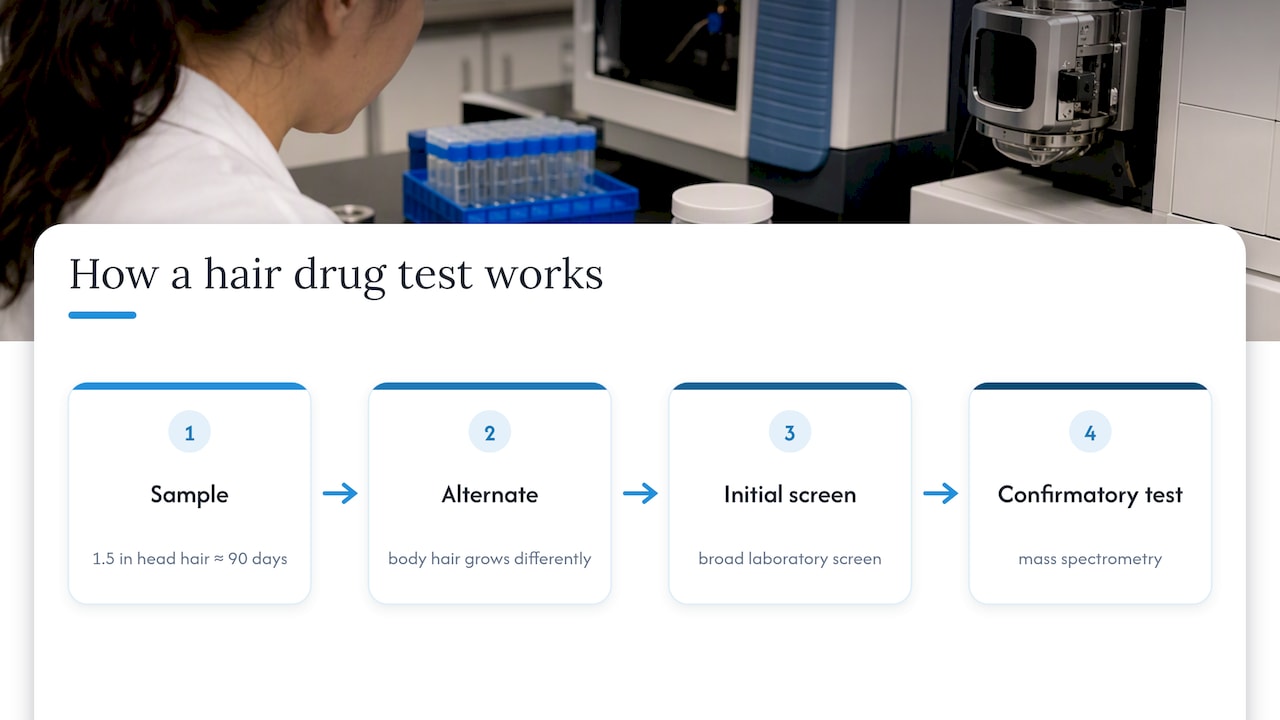
A standard hair test uses a 1.5 inch (3 cm) segment of head hair, which roughly corresponds to 90 days of growth and exposure history. Body hair is sometimes substituted when head hair is unavailable, though it grows at a different rate and complicates the timeline.
Labs run samples through an initial screen, then confirm any non-negative result with a more specific method, typically mass spectrometry, to rule out false positives from the first pass. Employment panels commonly test for marijuana, cocaine, opiates, methamphetamine, and PCP, with cut-off concentrations set by federal guidance or employer policy.
One limitation matters more than most people realize: a hair test reveals that exposure happened within a window, not on a specific day. Our explainer on how hair drug testing works covers the sampling and lab workflow in more depth. For the reader trying to reconstruct what happened, that imprecision is often the hardest part to accept.
Why people fail hair tests: ingestion, contamination, and hair chemistry
Not every non-negative result means active use. Several distinct pathways can land a sample in failure territory, and telling them apart is the whole point of a verification interview.
- Active ingestion: metabolites form inside the body and bind into the hair shaft as it grows.
- External contamination: smoke exposure, handling drugs, or contact with a contaminated surface can deposit substances on the hair’s outer layer without ingestion.
- Pigmentation effects: darker hair with more melanin tends to bind certain drugs, especially basic compounds like cocaine and methamphetamine, more readily than lighter hair.
- Cosmetic treatments: bleaching and dyeing can reduce drug concentrations in hair, though the effect is inconsistent and drug-dependent, with reductions for some compounds reaching dramatic levels in certain studies while others barely change.
- Collection or lab handling errors: improper washing, cross-contamination between samples, or chain-of-custody mistakes can produce equivocal or false readings.
Our piece on bleaching and hair test outcomes goes further into why cosmetic shortcuts rarely deliver a clean, predictable result.
Accuracy, interpretation limits, and how labs separate contamination from use
Forensic labs do not treat a single positive number as proof of ingestion. Interpretation leans on multiple criteria layered together.
Metabolite checks are central: for cocaine, labs look for benzoylecgonine and other hydroxy metabolites that only form through metabolism, not surface contact. A large cohort analysis of hair samples found that metabolite ratios and multiple-metabolite checks materially improve the ability to distinguish ingestion from contamination, with decision models flagging roughly 17.7% of samples in that dataset as consistent with contamination rather than use.
Wash criteria add another layer. Comparing the drug concentration in the wash solution against the concentration remaining in the hair helps labs judge whether a substance sat on the surface or was incorporated internally. A study on cocaine exposure interpretation found that combining cut-off values with wash-to-hair ratio criteria correctly identified 97% of contaminated samples in a professional-exposure setting.
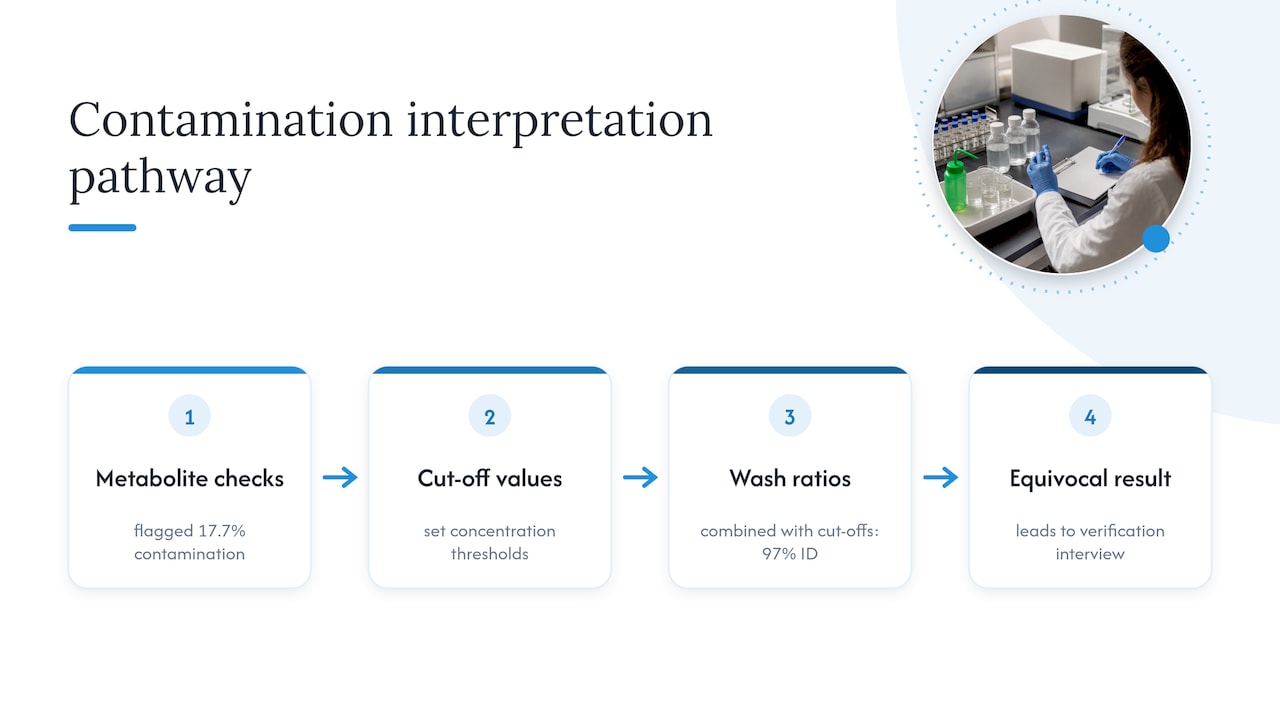
Even with these tools, full international standardization does not exist, and pigment or methodological differences between labs introduce real variability. An equivocal result, one that falls near a cut-off or shows an inconsistent wash pattern, is exactly why verification interviews exist rather than automatic failure.
What to do immediately after a failed or non-negative hair test
Acting quickly and methodically protects your ability to contest or explain a result later.
- Contact the MRO and request the verification interview; bring prescriptions, pharmacy records, or a doctor’s note for anything that could explain a metabolite.
- Request confirmatory testing of the split specimen and ask which laboratory will perform it, since this is the strongest technical check against a false result.
- Document the collection in writing: collector name, whether collection was observed, recent hair treatments, and any plausible environmental exposure (secondhand smoke, shared living space, occupational contact).
- Clarify consequences and timelines if employment or regulatory rules apply, including whether a Substance Abuse Professional evaluation or a formal return-to-duty process will be required before you can resume work.
The DOT’s MRO guidance spells out exactly what a Medical Review Officer must do when a result comes back invalid or non-negative, including the duty to interview the donor and consider medical explanations before finalizing anything.
Remedies and realistic options: retest, contest, and what actually helps
Confirmatory testing of the split sample remains the strongest technical route to overturning an incorrect result, because it is performed by a separate lab and reviewed against the same metabolite and wash criteria described above. Forensic literature confirms that applying those criteria together, rather than relying on a single cut-off, is what has overturned contamination findings in controlled studies.
- Confirmatory and split-specimen testing gives you an independent check rather than disputing the same sample twice.
- Legal or administrative appeal applies when discriminatory testing practices or procedural errors are involved; a Boston case resulted in a multi-million dollar settlement tied to flawed hair-test methodology.
- DIY chemical tricks (vinegar soaks, baking soda pastes, one-time detergent washes) frequently fail because they do not remove metabolites bound inside the hair shaft, and some trigger adulteration flags that make matters worse.
Pro Tip: Document everything before you attempt any remediation, since a paper trail of dates, treatments, and exposures is what makes a verification interview go in your favor.
For readers who need a structured option going forward, A hair test preparation method pairs a required-washes calculator (based on substance, last use date, and frequency over 90 days) with a nine-step cleansing process using a specialized shampoo. Our complete science-backed guide walks through how the method and calculator fit together.
Common myths and what does not work
Shaving your head to “avoid” a hair test almost always backfires. Most employer policies treat an unexplained shave as a refusal to test, which carries the same consequences as a positive result. One-off bleach or home-chemical tricks found in forums rarely strip bound metabolites completely and are unreliable, and labs are built to detect adulterants, not just drugs. Our myth-busting guide breaks down why anecdotal forum advice is a poor foundation for something as consequential as employment testing.
A straightforward take on failed hair tests
Most people panic and reach for a home remedy before they’ve even confirmed what the result actually says. Verify first, document second, remediate third. If your timeline is tight, a consultation beats guessing every time.
— MIchael
How Macujo can help with consultation, test kits, and products
If you’re staring down a test date and need a plan that fits your specific exposure history, our Afterhours Personal Consultation ($100 one-time) gives you direct, time-sensitive advice tailored to your situation rather than generic forum guesswork.
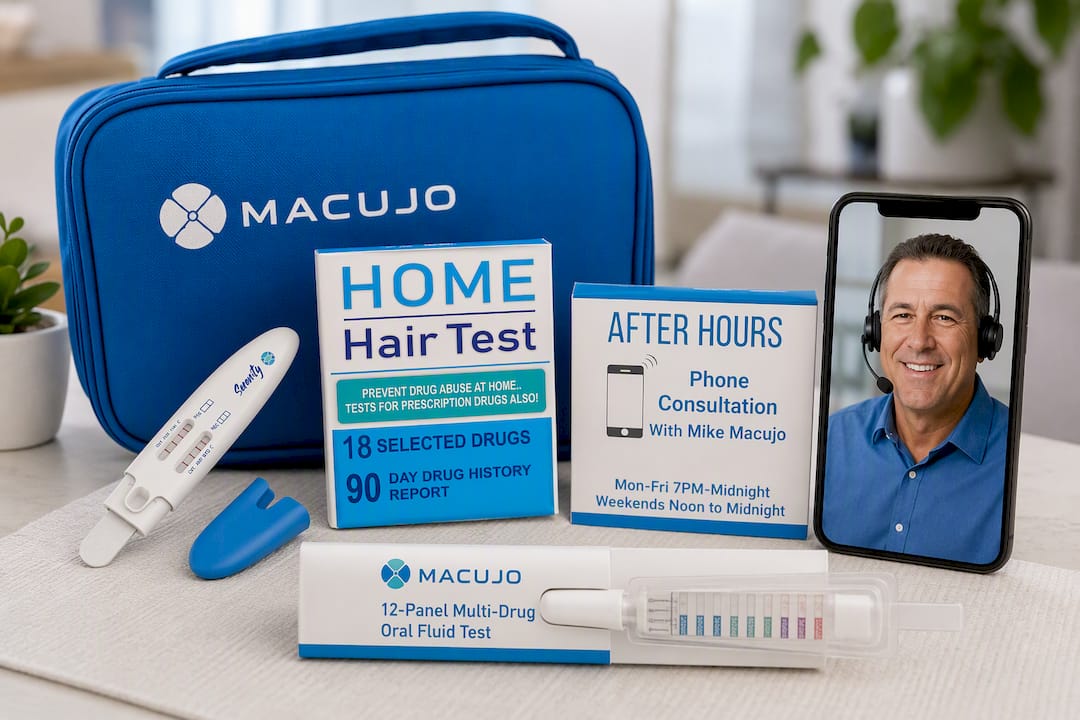
- Check your status privately first with a Home Hair Test kit before an employer test catches you off guard.
- Consider an alternative sample type with the 12-Panel Multi-Drug Oral Fluid Saliva Drug Test if your situation calls for it.
- Pair cleansing with expert guidance using Macujo Aloe Rid Shampoo alongside a consultation for a plan built around your actual use history.
Browse our full shop for hair, urine, and saliva test products, or start with a consultation to figure out which path fits your timeline.
FAQ
How do I get a CDL reinstated after a failed drug test?
Reinstating a commercial driver’s license after a failed test generally requires completing a return-to-duty process overseen by a Substance Abuse Professional, followed by a negative return-to-duty test and a period of follow-up testing. The exact steps depend on your employer’s policy and applicable federal rules, so confirming requirements with your MRO or compliance officer is the right starting point.
What drugs commonly cause a failed drug test?
Standard employment panels most often flag marijuana, cocaine, opiates, methamphetamine, and PCP. Prescription medications can sometimes trigger a non-negative result for opiates or amphetamines, which is why documenting any prescriptions matters during the verification interview described under DOT Part 40.
What does it mean if a drug test result is invalid?
An invalid result means the lab could not determine a clear positive or negative, often due to a specimen issue rather than evidence of drug use. Under DOT Part 40, the MRO must review the case and may require a new collection rather than treating it as a failure.
How does a hair follicle test actually work?
A lab segment of hair, typically 1.5 inches from the scalp, is washed, dissolved, and screened for drug metabolites, with any non-negative result confirmed by a more specific method like mass spectrometry. This process generally reflects exposure over roughly the prior 90 days rather than pinpointing an exact date, as explained in our guide to how hair testing works.
Sources
- § 40.159 What does the MRO do when a drug test result is invalid? | US Department of Transportation
- Comprehensive evaluation of cocaine and its hydroxy metabolites in seized cocaine and a large cohort of hair samples