Last Updated on August 12, 2026
Key Takeaways:
- Understanding the science and process behind hair follicle drug testing is crucial. Relying on myths or shortcuts can jeopardize your results.
- Effective preparation includes immediate cessation, risk assessment, and using proven, research-backed cleansing methods like Mike’s Macujo Method.
- Verifying your status with a home test kit and documenting prescription medications can help you confidently navigate the screening and avoid unexpected outcomes.
When facing an employment screening, knowing how to pass a hair follicle drug test starts with understanding how testing works rather than relying on unproven methods. Hair tests can detect past drug use over about 90 days, which makes science-based preparation your strongest advantage. Find proven solutions in Macujo's products to approach your test with confidence.
How Hair Follicle Drug Tests Work Before a Job Screening
When you're wondering how to pass a hair follicle drug test before a job screening, understanding the science behind these screenings gives you a real advantage. Hair analysis works differently from urine or saliva tests, and knowing the actual process helps you prepare with facts instead of falling for internet myths.
The 90-Day Detection Window Has Important Timing Gaps
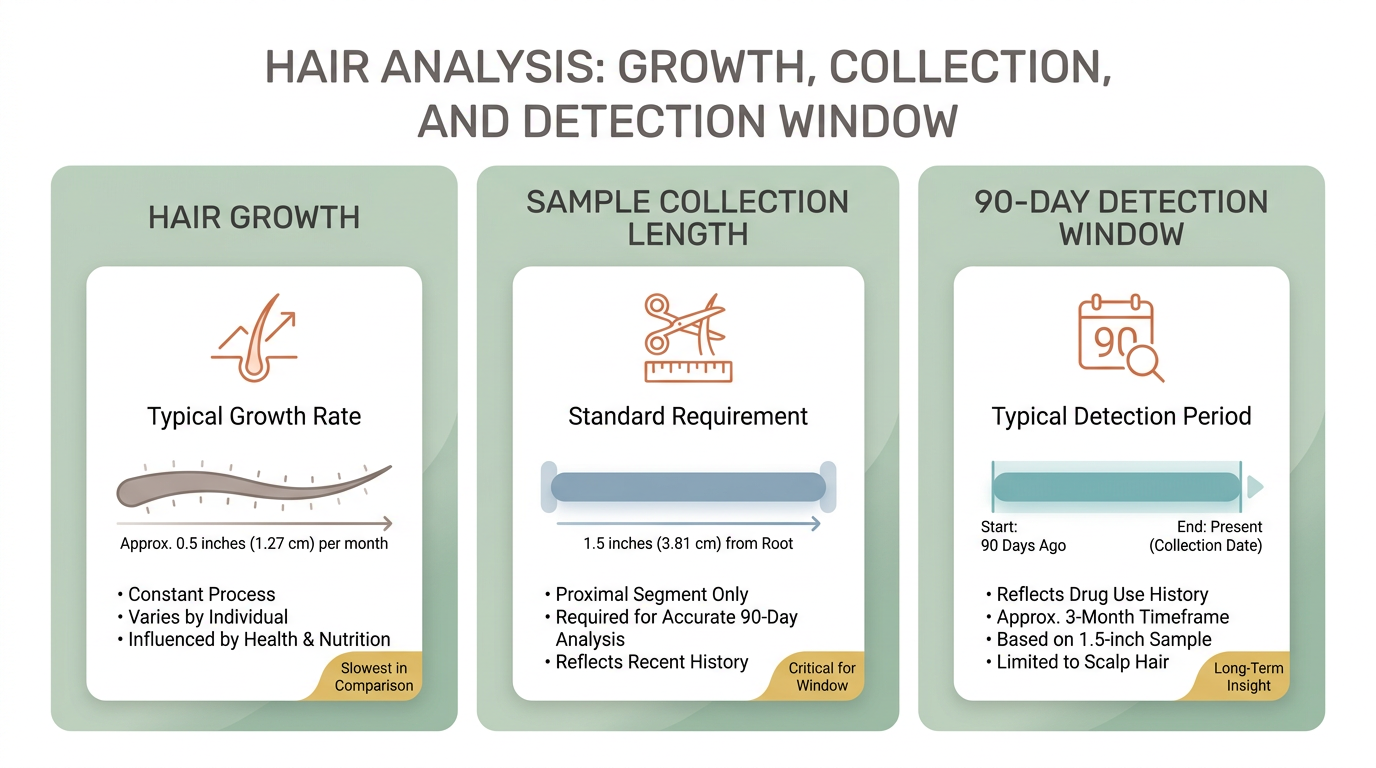
Hair follicle screenings typically detect substance use from about 7 to 90 days before collection. Labs collect approximately 100 strands from the crown of your head, measuring 1.5 inches in length to represent this standard 90-day detection window. However, very recent use within the last 5 days often won't appear in the collected sample because it takes time for substances to travel from your bloodstream into the hair shaft and grow out to a collectible length.
Why Simple Tricks Don't Work Against Lab Procedures
Beyond timing considerations, it's important to understand that professional facilities don't rely on a single screening result. The workplace drug testing process involves an initial immunoassay screen followed by confirmatory analysis using more precise methods like gas chromatography-mass spectrometry. This two-step approach reduces false positives and makes simple tricks ineffective. Labs also follow a strict chain of custody procedures and use certified collection methods.
Success Means Understanding the Real Process
Rather than relying on unproven methods, focus on understanding what actually happens during collection and examination. The standard screening tests for five drug classes: marijuana, cocaine, amphetamines, opiates, and PCP. Collectors take samples close to the scalp and document the process carefully. If you want to verify your status before the official screening, consider using a home test kit that uses the same laboratory methods. Learning more about how hair drug testing works helps you make informed decisions about your preparation timeline.
Best Way to Prepare for a Hair Follicle Drug Test Quickly
What is the best way to prepare for a hair follicle drug test quickly? Effective preparation combines immediate cessation with strategic planning and risk assessment. The key is taking action that directly impacts your test outcome while managing the practical details that could create complications.
- Stop all use immediately and avoid exposure risks. Every day counts because hair testing reflects approximately 90 days of history, and new growth continues to incorporate substances from your system. Stay away from secondhand smoke and environments where contamination could occur.
- Test yourself first with an at-home hair screening kit. Independent testing helps you understand your current risk level, especially when working with tight deadlines. Knowing your baseline allows you to make informed decisions about your preparation strategy rather than proceeding blindly.
- Confirm all appointment details and review company policies. Double-check the testing location, required documentation, and any specific instructions from your employer. Understanding the process reduces stress and prevents last-minute complications that could affect your results.
- Document prescription medications and avoid chemical treatments. Gather pharmacy records for any legitimate medications that might appear on the test. Avoid chemical treatments and excessive heat styling that could compromise hair integrity and potentially complicate the collection process.
- Research-proven cleansing methods for comprehensive preparation. Since environmental contamination can affect results, proper preparation becomes important. Mike’s Macujo Method offers a scientifically-backed approach with detailed step-by-step guidance and expert support for those seeking the most thorough preparation possible.
Hair Follicle Drug Test FAQ: Detection Windows, Accuracy, and Next Steps
Job seekers often have urgent questions about timing, detection limits, and what actually works before an employment screening. These answers cut through the confusion, with science-backed facts that help you make informed decisions.
How long do drugs stay in hair for a follicle test, and do all drugs show up the same way?
Most substances remain detectable for approximately 90 days based on standard hair growth rates and sample length. However, not all uses appear equally. Research shows that standard screening can miss low-frequency or certain prescription drug exposures due to laboratory cut-off levels.
Can washing, bleaching, or shaving reliably change lab results?
These methods create more problems than solutions. Bleaching can damage hair structure, but labs account for cosmetic treatments. Shaving forces the collection of body hair, which may retain substances longer. Testing laboratories use confirmation analysis specifically designed to detect tampering attempts and maintain chain-of-custody protocols.
How do I handle prescription medications during hair screening?
Prescription medications can trigger positive results for certain drug classes. Gather documentation from your prescribing physician before test day. Labs can distinguish between therapeutic use and recreational abuse through confirmation analysis, but having proper documentation prevents issues and protects your employment opportunity.
What should I do if I have 63 days until my test?
With 63 days remaining, you have time to allow for proper preparation. Stop all use immediately, as new growth reflects recent exposure. Consider using a home test kit to assess your current status. Document any prescription medications with your healthcare provider to avoid screening complications.
What if I receive an unexpected positive result?
Request the laboratory's chain-of-custody documentation and confirmation test details immediately. You have the right to challenge results through the medical review process within 72 hours. Contact the testing facility to discuss prescription medications, medical conditions, or procedural concerns. Expert support can guide you through the next steps.
Prepare With Facts, Verify Early, and Get Support
Successful hair follicle drug test preparation starts with understanding detection windows and employer policies. Understanding actual detection windows beats relying on unproven shortcuts every time. When uncertainty runs high, verify your status with a home test before the official screening.
Beyond testing, document prescription medications and gather policy details early rather than scrambling at the last minute. Professional guidance through proven methods like Mike’s Macujo Method makes the difference when career opportunities hang in the balance.
Need proven solutions backed by 20 years of research? Explore Macujo's complete range of hair test products and get the expert support you need to approach your screening with confidence.